Sludge accumulation and FOG backups. Unpleasant odors and consequences for excess gas emissions. These are just a few of the challenges that wastewater facility operators deal with each day. If you’re a provider of biological wastewater treatment solutions, you’re likely familiar with these problems, and you may even already offer products addressing them.
But with such a long list of issues, it can be hard to know where bioaugmentation treatment will be most effective, both for your customers’ system health and your business’s bottom line. MDG’s Biotifx® Platform is designed to help you answer that question by providing high-quality products, comprehensive education, and expert-led, in-field training on treating wastewater with bioaugmentation. It all starts with understanding the easy-to-treat, high-value challenges you can address with biology. At MDG, we call them the “Big Three”: organic sludge; fats, oils, and grease (FOG); and hydrogen sulfide (H2S)/odors.
Organic Sludge
Sludge management is a major category of overall costs for wastewater treatment facilities. From purchasing dewatering chemistry/equipment to paying expensive rates for physical dredging, hauling, and disposal, these costs add up quickly. However, using bioaugmentation treatments with Bacillus bacteria, you can attack this problem at its source: sludge digestion.
Wastewater sludge volume is mostly made up of organic material, and many components of that organic sludge are food sources for Bacillus (Figure 1).
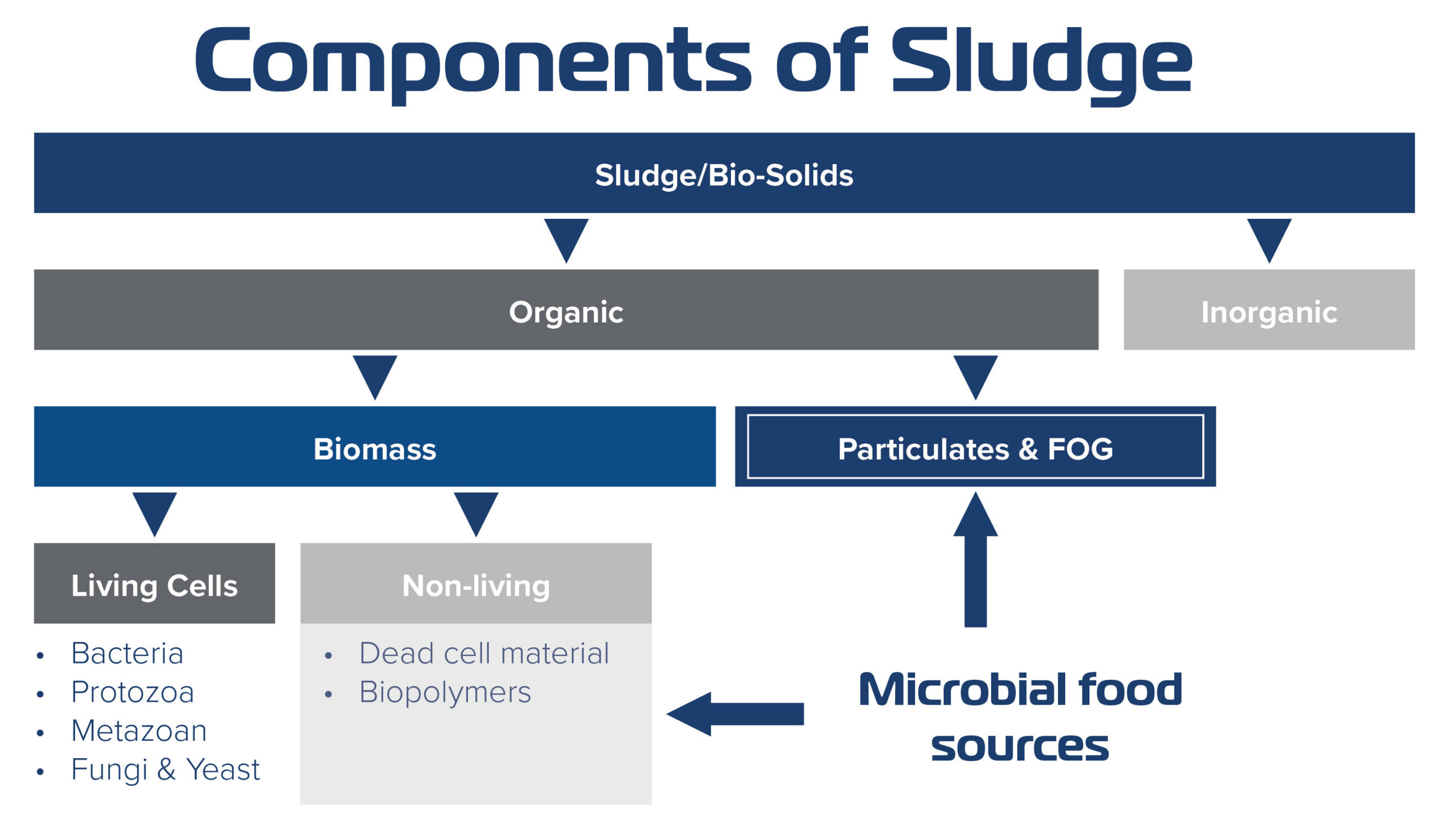
Figure 1: Typical composition of wastewater sludge.
Our bacteria digest these materials and release them from the system via CO2 off-gassing, leading to less sludge accumulation and better consistency in the sludge that remains. Both of these improvements make final dewatering and hauling easier, which results in major cost savings.
FOG
Removing fats, oils, and grease (FOG) from a wastewater treatment system is a crucial but costly task. Physical removal via vacuuming and/or jetting requires manual labor and specialized equipment, both of which can be expensive. Too much FOG buildup can even lead to facility equipment failure, which adds repair costs to the bill. But Bacillus bacteria help reduce FOG before these significant backups can occur.
MDG’s Bacillus-based treatment products tackle the FOG problem using:
- Enzymes: Our bacteria produce enzymes that aid in lipid and long-chain fatty acid digestion, which is a major component of FOG.
- Biosurfactants: Bacillus use the biosurfactants they produce to overcome the hydrophobic-hydrophilic interface of water and FOG, giving them an opening to do their job.
- Micronutrients: Many of our products also contain strategically formulated micronutrient packages. This enhancement helps both Bacillus and other beneficial microbes in the system thrive, prolonging treatment effectiveness.
Taken together, these components proactively reduce FOG buildup in a system, saving facility operators time, money, and labor.
H2S and Odors
Hydrogen sulfide (H2S) is a hazardous, highly corrosive gas that can pose safety risks for facility employees and cause damage to equipment. Excess H2S production during the treatment process can also lead to significant odors, increasing the likelihood for a facility to face complaints, fines, and even business losses. But why are H2S odors so common at wastewater facilities? The culprit is sulfate-reducing bacteria (SRB).
SRBs produce H2S as a result of their growth process, and wastewater is the perfect environment for them to do just that. They use sulfate and volatile fatty acids (VFA)—another odor producer—as food sources, and they thrive in areas with plenty of sludge and biofilms. In the prime conditions wastewater provides, SRBs can grow and multiply quickly, producing large amounts of H2S.
With bioaugmentation treatment, though, facilities can effectively reduce both H2S and odors. Just like SRBs, Bacillus bacteria require sulfur for growth. As Bacillus consume and biologically assimilate sulfur, they leave less available for SRBs to convert to H2S. Our bacteria also digest sludge, removing the environment that SRBs need to thrive. Lastly, Bacillus use VFAs as another energy source. This prevents VFAs from feeding SRBs and contributing to odor production themselves. All these elements result in fewer odors and lower H2S production, making wastewater facilities safer and more cost-effective operations.
Treat the “Big Three” with MDG
Now that you know how Bacillus-based treatments work to solve common wastewater challenges, the next step is to leverage these solutions to drive success for your business. When you become our distribution partner, you gain access to the Biotifx® platform, with experts who are passionate about helping you understand both the science and the business behind biologicals. Our robust training and treatment programs help you find and solve high-value opportunities quickly, all while harnessing the power of our innovative Bacillus treatment products.
Are you ready to tackle the “Big Three” and beyond with MDG? Contact us today to speak with an expert!
MDG is the Bacillus solution that helps you scale and streamline without sacrificing product effectiveness.