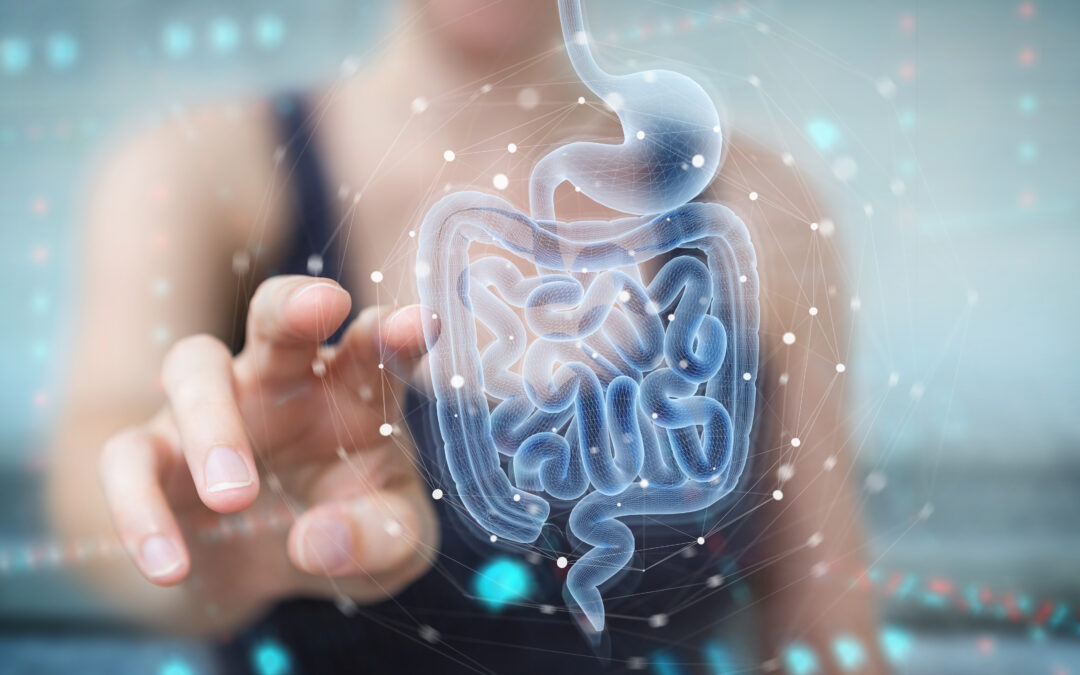
Healthy aging is an essential element of wellness for many consumers—in fact, in a NutraIngredients survey, 50% of people ranked healthy aging as an important goal. Unfortunately, there are a multitude of factors that may impede the healthy aging process. Recent research has shown there is a link between aging and inflammation, which some are calling “inflammaging”. Inflammaging refers to the low-grade inflammation that naturally occurs throughout the body as we get older, often due to changes in the gut microbiome. However, supplementation of anti-inflammatory probiotics could be a way to help ease the effects of inflammaging. Here’s what you need to know.1
The Connection Between Aging and the Gut Microbiome
The human gut microbiome is complex, comprised of thousands of bacterial species. This diversity is key to keeping it healthy. However, as we age, gut microbiome diversity tends to diminish, particularly the populations of beneficial organisms that help maintain gut health. A decreasing population of good gut bacteria could lead to higher susceptibility to issues like leaky gut; this, in turn, could increase the low-grade inflammation that is a hallmark of inflammaging.2,3
Because of the relationship between aging and inflammation, the two create a negative cycle. Age-related decline of gut microbiome diversity can bring on inflammation, and that inflammation can lead to further deterioration of the gut microbiome. This is succinctly referred to as inflammaging.1,3
How Probiotics Can Encourage Healthy Aging
One way to potentially reduce the effects of inflammaging—and encourage healthy aging—is to supplement the gut microbiome with the beneficial bacteria it loses throughout the aging process. Anti-inflammatory probiotics have become a widely popular method to assist with this. As the bacteria in probiotics increase microbial diversity, they can help improve the overall health of the gut microbiome. This, coupled with the ability of some probiotics to increase production of anti-inflammatory biomarkers and/or decrease production of pro-inflammatory biomarkers, lowers susceptibility to inflammaging’s negative effects.2
Make Probiotic Power Work for Your Business
Inflammaging is a natural part of getting older, and it can’t be completely prevented. But as research continues to be conducted on mechanisms of inflammaging, new management techniques emerge, and anti-inflammatory probiotics are one possibility for helping your customers achieve an overall healthier aging experience.
At MDG, we offer innovative, Bacillus-based probiotic ingredients that could be a great fit for your final formulations, including our newest launch, BoostBac™. Ready to start a conversation? Reach out to one of our experts to see how our proven results in probiotic ingredient development can help you succeed.
MDG is the probiotic provider that helps you differentiate faster without the added risk of investing your own resources in the development process.
References
- Franceschi, C., Garagnani, P., Parini, P., Giuliani, C., & Santoro, A. (2018). Inflammaging: A new immune–metabolic viewpoint for age-related diseases. Nature Reviews Endocrinology, 14, 576–590. https://doi.org/10.1038/s41574-018-0059-4
- Singh, A., Schurman, S. H., Bektas, A., Kaileh, M., Roy, R., Wilson, D. M., III, Sen, R., & Ferrucci, L. (2024). Aging and inflammation. Cold Spring Harbor Perspectives in Medicine, 14(6), a041197. https://doi.org/10.1101/cshperspect.a041197
- Li, X., Li, C., Zhang, W., Wang, Y., Qian, P., & Huang, H. (2023). Inflammation and aging: Signaling pathways and intervention therapies. Signal Transduction and Targeted Therapy, 8, Article No. 239. https://doi.org/10.1038/s41392-023-01502-8