

Keep Up to Date with MDG
MDG News and Updates
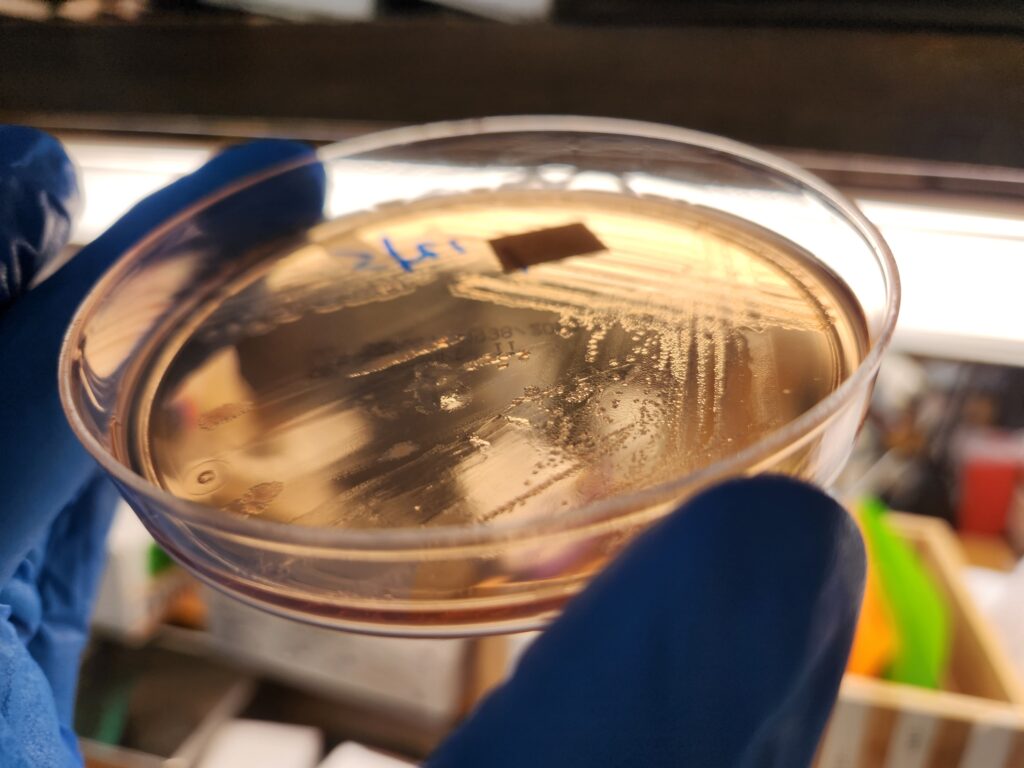
The Importance of Strain Purity Testing in Custom Fermentation
At MDG, we are Bacillus experts with over 20 years of experience growing pure cultures for our customers. We are continually honing our methods to find the most effective, efficient way to create quality microbial ingredients, and one contributing factor is purity testing. From performing testing through strain typing methods to producing and selling only single-strain tanks, let’s explore the process of purity testing to find out why creating effective microbial products happens one strain at a time. What is strain purity testing, and how is it done? Strain purity testing is the process of checking a growing Bacillus culture to ensure it is a match for the target strain. Testing can also confirm that there are no non-target organisms present in the culture. Purity testing can be done in a multitude of ways. We have a variety of genomic methods at our disposal that allow for thorough, efficient testing of each Bacillus culture. Testing is conducted at several steps of the process, including: Seed bank Inoculation flask Fermentation tank Dried culture (finished product) Monitoring the purity of the culture at multiple points allows us to catch and correct any potential errors as soon as possible and keep the process […]

MDG’s Solutions to Portable Toilet Odors: A Guide for Distributors
As summer begins, outdoor events, construction projects, and gatherings become much more frequent, and portable toilets usually found at these locations can present a significant odor challenge. Managing those odors is essential for maintaining both public and environmental health. At MDG, we have extensive experience in microbial technologies, and our advanced biological solutions provide an innovative approach to tackling these odors effectively. Odors Have an Impact Odor control affects not only user comfort but also the overall acceptance and viability of portable toilets at public and commercial venues. When not properly addressed, the odors that portable toilets cause can cast the event—and potentially the portable sanitation suppliers—in a negative light. Effective odor management, on the other hand, can enhance customer satisfaction and bolster the reputation of distributors and event organizers alike. The Impact of Our Products Microbial solutions are a great way to combat odors, particularly in the application of portable sanitation. Unlike traditional chemical options, our biologically based treatments utilize Bacillus to digest waste materials, effectively reducing odors. A solution like this not only minimizes unpleasant smells but also contributes to a healthier environment by reducing the reliance on harsh chemical agents. MDG’s microbial products are also created with […]

A Guide to Wastewater Success: Products, Programs, and People
Working in the wastewater treatment industry comes with its challenges. Your customers may face problems like sludge buildup, odors, hydrogen sulfide (H2S) production, and fats, oils, and grease (FOG) accumulation. As their supplier, you need a solution you can count on to help them succeed. That’s where we come in with our innovative, research-based, and hands-on platform: Biotifx®. Our Biotifx® platform includes access to our wastewater treatment product line, expert-led training to drive application success in the field, and continual support from our team members throughout the sales process. We break these benefits into three main categories: Products, Programs, and People. Read on to learn more about each of these three pillars and how MDG’s Biotifx® platform can help you bring successful Bacillus-based solutions to your customers working in wastewater treatment. Products Real Science is our passion, and Bacillus is our specialty, so our microbiologists and production experts work hard to create and package microbial formulations that make sense for a variety of treatment situations. With our Biotifx® product line, you have access to some of the highest-quality wastewater bioaugmentation products in the industry. Using Biotifx® is also a great way to add value to your sales catalog, since our […]
2023 EXPANSION: CONTINUED GROWTH
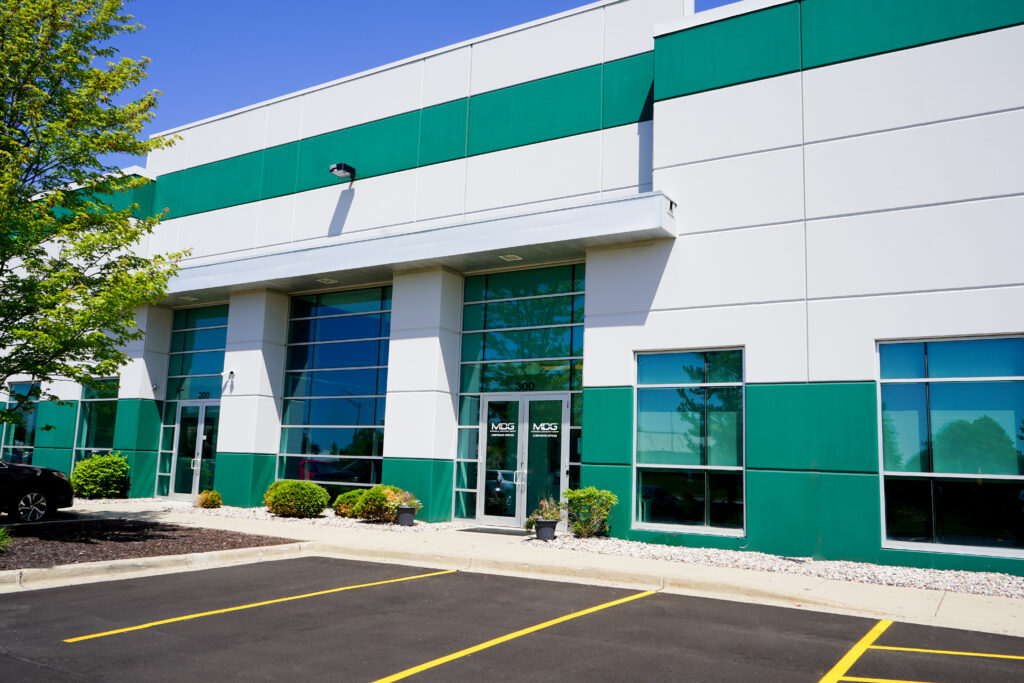
In 2021, our growth journey took a significant leap as we secured an 80,000 ft2 facility in Oak Creek, WI. This expansive space now accommodates our production, blending, packaging, warehouse, three laboratories, and supplementary office areas. In addition, an external structure was built to house a 34-ft spray dryer and pilot spray dryer. The completion of the MDG Oak Creek facility in Fall 2022 marked a major milestone. Since then, we’ve settled into our new Oak Creek home while amplifying operations at our Franklin facility. Our Franklin facility, now with four fermentors and a 35,000L total capacity, is a key player in our growth. As we continue to develop, our custom fermentation capacity is growing in current and future markets. Our driving force is applying Real Science, to a Trusted Process, yielding Proven Success. Contact Us to learn more about our evolving Custom Fermentation capabilities and how to become part of our ongoing journey!
Under The Microscope – Sierra Garcia
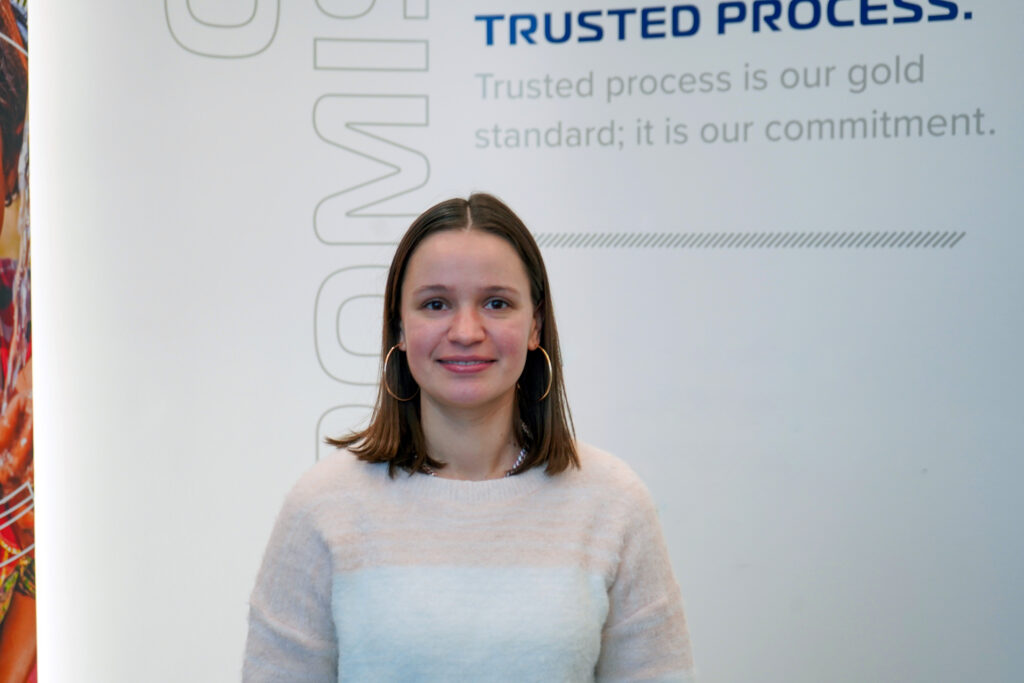
At MDG, we succeed by creating an environment to attract, develop, and retain the best and the brightest people who embrace our values. Learn all about Sierra Garcia, our Engagement Coordinator. What is your role at Microbial Discovery Group (MDG) and when did you join the team? I am the Engagement Coordinator at MDG, and I joined back in April 2022 as Receptionist but quickly found a passion for our engagement and onboarding needs at MDG. What initially drew you to MDG? I was a referral of one of our Bio-Manufacturing Operators and he would always share stories about the CEO, Mike King, the culture, and the work. After interviewing and finding out the mission, I knew this was where I wanted to spend my career. Helping to Feed, Clean, Save the World! What about the work you do at MDG that drives and fulfills you? I can say the biggest thing that drives me is the people I work with. In hectic times, my MDG team can brighten my day. When I’ve done something good, my MDG team notices and cheers me on. When I see one of my co-workers having a bad day, I encourage […]

Unlocking Solutions: Managing FOG in Wastewater with Bioaugmentation
Unlocking the mysteries of Fats, Oils, and Grease (FOG) mitigation and management within wastewater is crucial for maintaining a sustainable and efficient system. In our upcoming webinar, we delve into the reasons why FOG poses a significant challenge, exploring its impact on sewers, pipes, and interceptors, lagoons, and activated sludge systems. Josiah Menako, MDG’s Technical Support Lead, will uncover the disruptive effects FOG has on wastewater systems, from collection systems to treatment plants, presenting a comprehensive view of the added complexities. Menako will discuss the value of improving and controlling FOG, shedding light on opportunities for decision-makers and providing real-world cases for reference. The webinar will not only address the problems but also present viable solutions, covering point source mitigation, mechanical removal, chemical additions (including enzymes, degreasers, and caustic substances), and the fascinating realm of biological digestion involving genetics, enzymes, and bacteria. Don’t miss out on this enlightening session, complete with insightful case studies that showcase successful strategies for combating FOG in wastewater systems. Unlocking Solutions: Managing FOG in Wastewater with Bioaugmentation is taking place on March 14, 1 PM CST. Click here to register.

Proven Success in Wastewater Seasonality
In the world of wastewater treatment, seasonal challenges can disrupt operations and affect the efficiency of treatment plants. As the industry begins to face the difficulties of this year’s spring, MDG emerges as a trusted partner with a track record of proven success to resolve some of the biggest challenges that arise with the changing of the seasons. Wastewater Seasonality Wastewater treatment plants face challenges during seasonal transitions, particularly within lagoons as they experience two turnovers in spring and fall. During spring turnovers in particular, effective solutions are important, since sludge has accumulated during the winter months and needs to be disposed of as the weather gets warmer. As the Bacillus solution that helps distributors scale and streamline without sacrificing product effectiveness, we recognize the significance of seasonality in the wastewater industry. Our approach frames the challenges of seasonality as opportunities for distributors to make a difference in their customers’ wastewater treatment. By addressing issues head-on, our distribution partners can position themselves as allies to treatment plants seeking reliable, trusted solutions. Proven Success: The MDG Advantage At MDG, our commitment to excellence is backed by a proven success story. Our innovative Biotifx® products and programs have consistently delivered measurable […]
Lagoons 101: Identification and Long-Term Treatment Approach
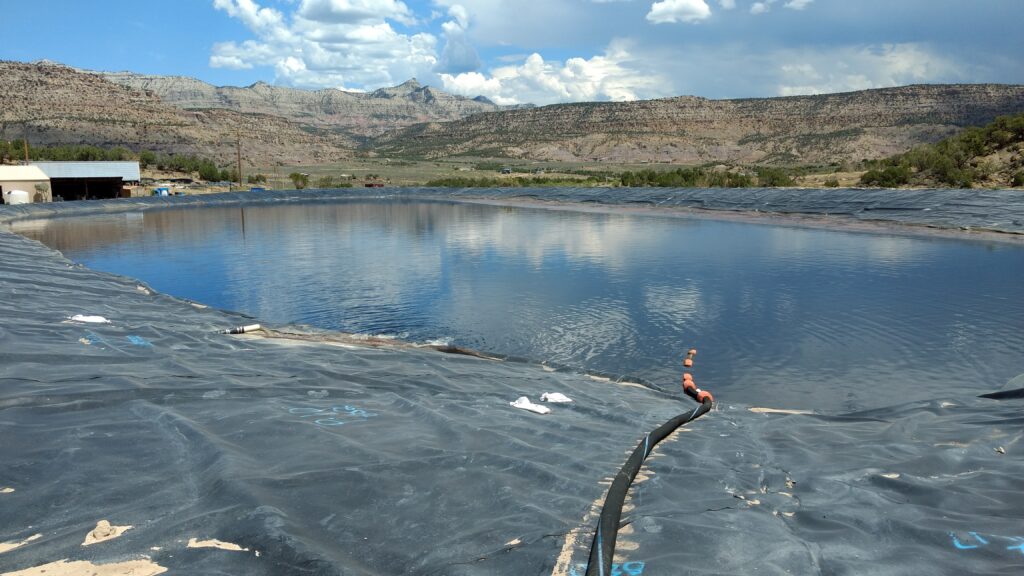
Lagoons and ponds have been used for treating wastewater for over 3,000 years. Today, there are over 8,000 wastewater treatment lagoons operating in the United States. One appeal to using lagoons is that they generally require less energy than other treatment systems and have lower operation and maintenance costs. That being said, proper performance still requires some form of ongoing maintenance and upkeep. At Microbial Discovery Group (MDG), we have explored and documented the process of both treating and maintaining lagoons. With this knowledge, we have designed Biotifx® products and programs to make it easy for our sales reps to educate operators on how to maintain and increase efficiencies long-term. LAGOON BASICS A lagoon is a large, manmade body of water that is designed to receive, hold, and treat wastewater before it’s considered safe and returned to the environment. In a way, lagoons are like holding tanks, where sewage enters at one end and beneficial bacteria and other organisms work to break down various organic components over time. These bodies of water are constructed and lined with materials that prevent leakage into the groundwater, such as clay or an artificial liner. While lagoons can exist alone, they’re also commonly installed […]
Proven Success Treating Sludge with Biotifx®
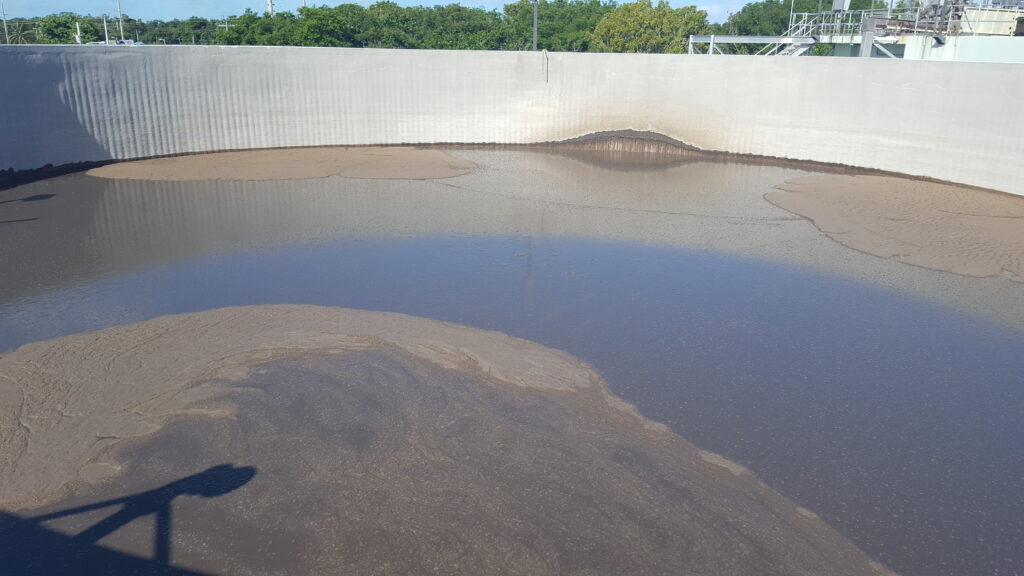
If your customers are working in the biological wastewater treatment industry, chances are they’re dealing with the challenges of organic sludge. Sludge, the waste components left over after the wastewater has been treated, is a constant expense for facilities, and many don’t realize it can be reduced. In many cases, we see inefficient sludge handling, leading to high dewatering and disposal costs along with hydrogen sulfide gas production and odors, among other issues. Luckily, at Microbial Discovery Group, we’ve developed a treatment program called Biotifx to help solve these issues. Using biological products enhanced with micronutrients and specific guidelines on usage, we can help you create an effective product that can optimize sludge handling and reduce costs for your customers, leading to their success. Sludge: The Problem Sludge can become a problem for your customers within multiple applications, including sludge tanks and lagoons. Sludge tanks can leave your customers with high disposal costs due to inefficiencies in digestion, decanting, and dewatering, as well as the weight-based pricing of sludge removal. Additionally, sludge tanks face limitations in capacity, restricting the volume they can handle. Lagoons, while requiring less daily upkeep than sludge tanks, encounter similar problems from the slow digestion of […]
Sludge Tanks 101: Treating the Waste
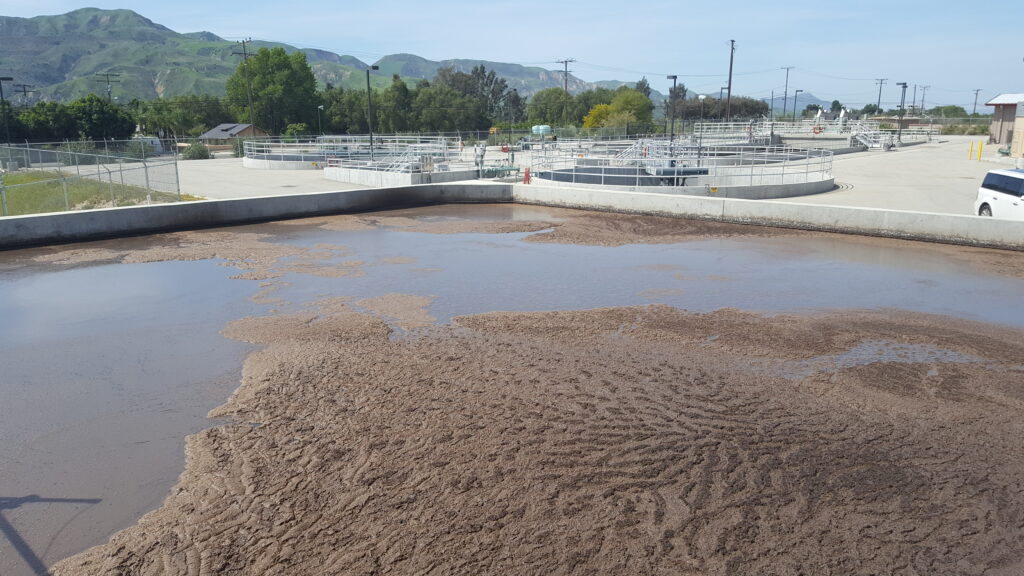
Throughout the wastewater treatment process, certain components are left over that get separated from the treated water. This collection of leftovers is called sludge, which is then further treated in tanks. At Microbial Discovery Group (MDG), we have explored the process of treating sludge in sludge tanks and have designed our Biotifx® products and programs to assist with this treatment and ongoing system maintenance. SLUDGE TANK BASICS Sludge is a mixture of liquid and solid materials that have been removed from the treatment system. Essentially, it is the waste of the wastewater treatment process. Sludge is comprised of both organic and inorganic matter. After leaving the clarifier, sludge is transferred to designated tanks, which are accordingly called sludge tanks. These tanks can also be referred to as sludge thickeners, ponds, decanters, or digesters (not to be confused with aerobic digesters). After the sludge finally leaves the tank, it is dewatered through a sludge press and hauled away. Sludge tanks are utilized because they allow water treatment facilities to remove and store larger masses of liquid and solid waste, so they can continue treating wastewater in a more efficient manner. The main objectives of sludge tanks are to: Increase digestion. By […]
News
MDG: The Podcast

