

Keep Up to Date with MDG
MDG News and Updates
The Underlying Cause of H2S and How to Reduce It
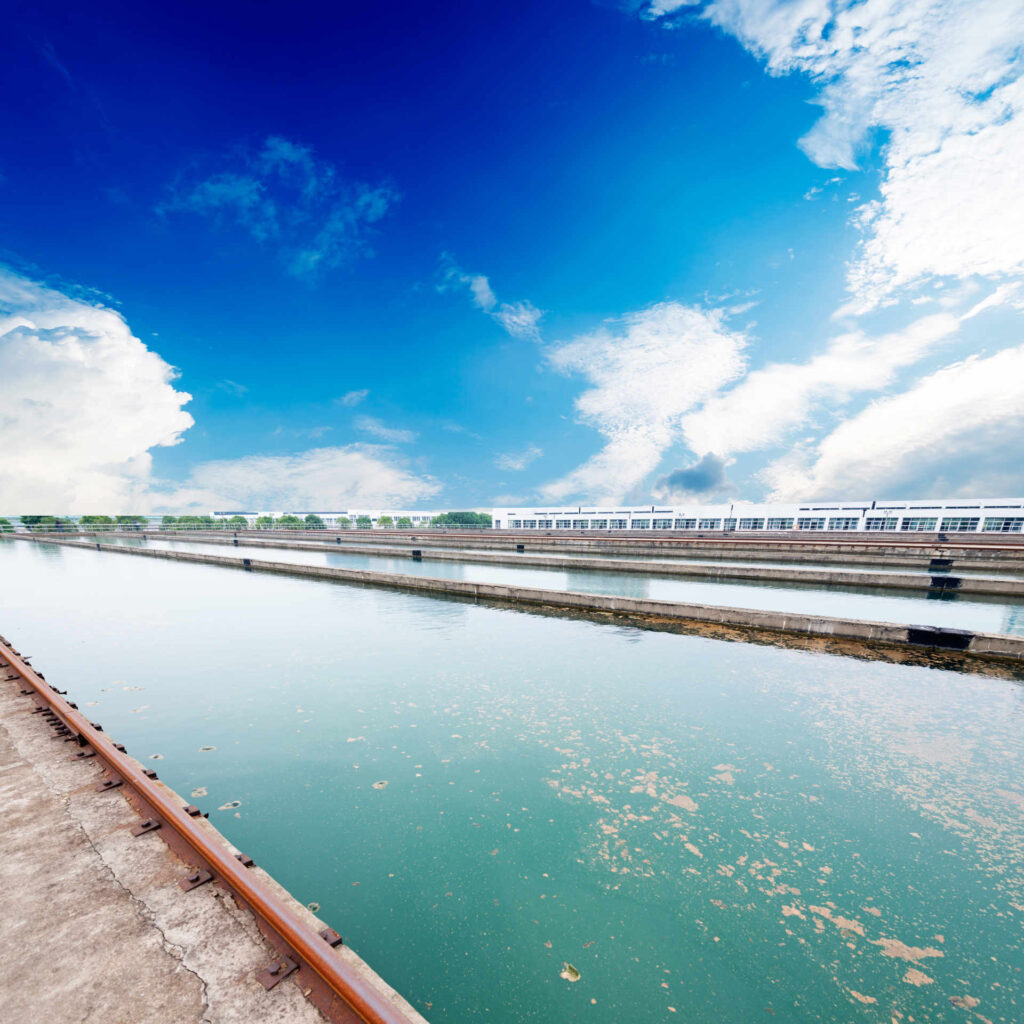
Elevated hydrogen sulfide (H2S) levels are a serious concern for wastewater operators and introduce a variety of treatment challenges. While many treatment options reduce the symptoms of H2S (odors, safety risks, and corrosion), they are reactive and neglect the underlying culprit: sulfur-reducing bacteria (SRB). A discussion of H2S generation will aid in exploring the pros and cons of common reactive H2S treatment methods and how bioaugmentation can be a proactive treatment method. The Escalating Phases of H2S At low concentrations, H2S exhibits a rotten egg odor. At high concentrations, H2S can cause corrosion or physical harm including loss of consciousness or death in extreme cases. Understanding how H2S is generated and changes through its breakdown cycle is crucial to making informed treatment decisions (Figure 1). Figure 1: Sulfate breakdown in a typical wastewater environment. The process starts with sulfate, which is often present in wastewater. Normal levels of sulfate are harmless and natural. Sludge and fats, oil, and grease (FOG) are another common component of wastewater. When combined, sludge and FOG can create a reaction which removes oxygen from wastewater and potentially creates an anaerobic environment SRB thrive in anaerobic environments with high levels of sulfate. The higher the concentration of SRB, the higher the potential for H2S production. Most H2S treatments occur at this point in the breakdown chain, either by enhancing the non-SRB microbial community by introducing additives, or by removing H2S. If H2S goes untreated, […]

How to Increase Your Sales
Could you benefit from higher income per sales hour? Lower hours spent per close? Higher close rates? This is what’s possible when you distribute quality, science-backed bioaugmentation solutions that are paired with an easy-to-understand, product education program for your sales team. Premium Solutions + Effective Training = Success At MDG, we’ve taken the time to work with the scientific community to not only understand what’s taking place inside wastewater systems, but also how to improve the efficiencies within. This knowledge of the wastewater industry has helped us develop products and an effective training program that allow you to increase your sales while expanding business with your current customers. At MDG our tagline is Real Science, Trusted Process and Proven Success. MDG refines and delivers products and ideas by applying Real Science to a Trusted Process, yielding Proven Success. Here’s a look at what’s possible when you partner with a wastewater treatment manufacturer like MDG and distribute Biotifx® solutions. Sales Per Hour When selling Biotifx® solutions, specifically for lagoon treatment, a team of 5 sales representatives can typically expect to make $1,042 per hour on average after 1-6 months of onboarding. After 7-12 months, that dollar amount typically increases to about $2,083 per hour. These numbers are based on historic data and are possible when your team completes our thorough […]
Resolving Toxic Upsets: Quats in Wastewater
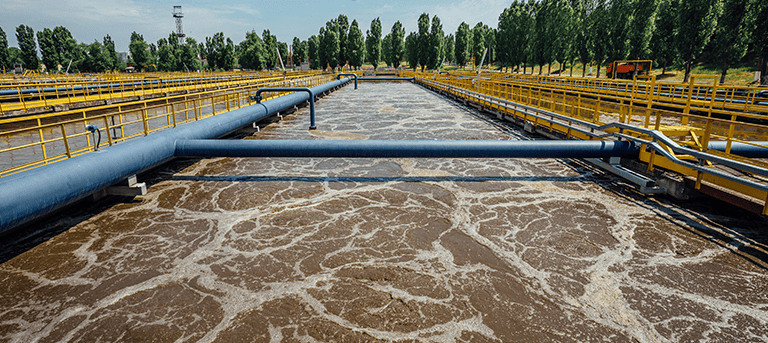
Earlier in this article series, we touched on how bioaugmentation treatments for wastewater have been around for 50+ years to help resolve toxic upsets. We also explored how Bacillus, a certain genus of bacteria that can be used in microbial treatments, are resilient to oxidizers. Today, we’ll examine how Bacillus are resistant to another powerful but non-oxidizing anti-microbial: Quats. What are Quats? Quaternary ammonium compounds (QAC, also referred to as “Quats”) are potent disinfectant ingredients found in both household and industrial cleaners. Some common examples are benzalkonium chlorides (BAC, BZK, BKC), alkyl dimethyl benzyl ammonium chlorides (ADBAC) and several other compounds identified by the words ‘ammonium chloride’ at the end of their names. How Quats Work Quats kill bacteria by puncturing or disorganizing the cell membrane, leading to interior component leakage and ultimately cell death. The use of Quats is especially common in food processing plants as tools for combating bacterial growth and contamination in the end-product. While this is effective for facility sanitization, it can potentially lead to problems in wastewater systems as they depend upon their inherent microbial community to function properly. Effects of Quats in Wastewater When a toxic substance like a Quat enters a wastewater system, it can drastically alter the […]
Optimizing WAS Holding Systems
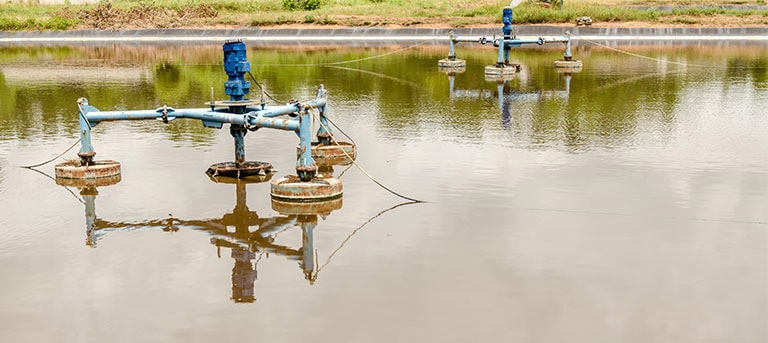
Before we walk through how to help your customers optimize their WAS holding systems, it’s important to understand how they work. How does a WAS Holding System work? Waste Activated Sludge (WAS) holding systems are a common part of operations in wastewater treatment plants (WWTPs). A WAS holding system, typically in the form of a sludge tank or lagoon, holds sludge after it has been wasted or removed from a clarifier. WAS systems may have aeration and mixing to help digest more sludge before hauling. Some systems will only hold sludge until it’s hauled away (liquid disposal), while others will concentrate the sludge by periodically allowing the sludge to settle and remove water from the top (decanting). After the sludge leaves the WAS holding system, it’s dewatered through a sludge press and disposed of or hauled as liquid. Getting to the Bottom of It If you ask an operator if they have any pains or issues, they may say, “I don’t”. However, they may not know if they do if their system has consistently under-performed and it’s always been that way. Typically, until they see a 20-50% reduction in sludge hauling along with reduced odor and labor costs, they may continue to think […]

Bacillus Utilize VFAs as an Energy Source
If your customer is smelling the result of decomposing organic matter, such as feces, other bodily fluids, dairy, meat, or plant-based materials, chances are they’re smelling a Volatile Fatty Acid (VFA). Figure 1. Common odors associated with VFAs. VFAs are organic acids produced by the microbial metabolism of biomass and food waste; such as dietary fiber, starch, protein, and amino acids. To beat these odors, certain strains of Bacillus have the ability to breakdown VFAs, thereby helping to reduce the problem at the source. At Microbial Discovery Group (MDG) an in-vitro study was conducted to measure the growth of our Bacillus strains in the presence of VFAs. SporActiv® Foundation was grown in media containing acetate and a combination of common VFAs found in the I&I market; acetate, butyrate, propionate, valerate, isovalerate, and isobutyrate. These VFAs were chosen because of their known connection to unpleasant odors. RESULTS Figure 2. Increase in growth of SporActiv® Foundation grown in media containing acetate, or a combination of six VFAs. The results show that growth of SporActiv® Foundation Bacillus increased by more than 50% when acetate was present, and by more than 100% when the six VFAs were present (Figure 2). The addition of these VFAs allowed for increased Bacillus growth, indicating the […]
What’s Your SPEC?
As consumers, we constantly search for a particular level of quality in everything we purchase. From toilet tissue, cleaning products, or microbial products, there is an expectation to deliver upon standards. Those standards are established through trust, and it’s incredibly important to uphold that trust to keep the customer coming back. MDG is passionate about delivering a product that meets that high and personal standard. A standard we achieve each time through our trusted processes and quality control (QC) testing. Compatible ingredients such as preservatives, dyes, surfactants, and fragrances are recommended from a list of stability tested ingredients guaranteeing a two-year shelf life. Once an existing or newly formulated product is created, its blended and the SPECs (specifications) are tested via our quality control lab. SPECS such as the effective amount of bacteria for the application, factors that prevent spoilage (pH and preservatives), and making sure there are no unwanted organisms such as pathogens present in the final product. The SPECS are essential to consider the level of quality when QC checks a concentrated Bacillus product, see below: CFU: AKA, CFU/g or ‘Colony Forming Units’ per gram. This value represents the actual number of culturable cells in a gram of material. This […]
More Bacillus Strains to be Available on the Domestic Substance List
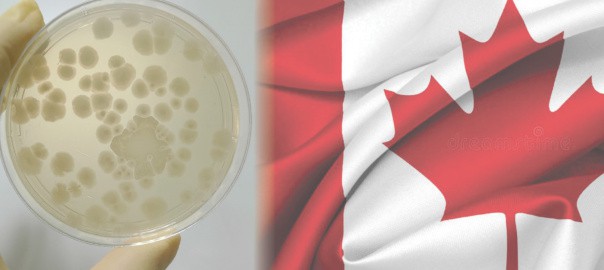
MDG has completed its obligation to notify under the New Substance Notification Regulations (Organisms) for Environment and Climate Change Canada (ECCC) on strains of Bacillus. Once imported into Canada the strains will be added to the Domestic Substance List (DSL) increasing MDG’s product offering into Canada. Adding these additional strains to the DSL will allow for more products from MDG to be available, focusing on core brands, Biotifx® for Wastewater Treatment and SporActiv® for the Industrial and Institutional market, to be sold in Canada. What is the Domestic Substance List: The Domestic Substance List (DSL) is an inventory of all chemical (and microorganism) substances manufactured in, or imported into, Canada on a commercial scale. 1 The DSL does not cover microorganisms that are regulated by other agencies such as those in food, feed, and fertilizer. The list was originally published in May 1994 with 23,000 substances included. 1 Today the list is at 28,000 substances, including microorganisms, and growing. 3 MDG Bacillus Strain on the DSL: Microorganisms, like MDG’s Bacillus, already exist on the DSL. Each microorganism strain is a unique substance, and each must be reviewed on its own merits for safety. The New Substance Notification (NSN) risk assessment includes general information on the strain, its ecological and biological characteristics, […]
Pulp and Paper Lagoons Problems
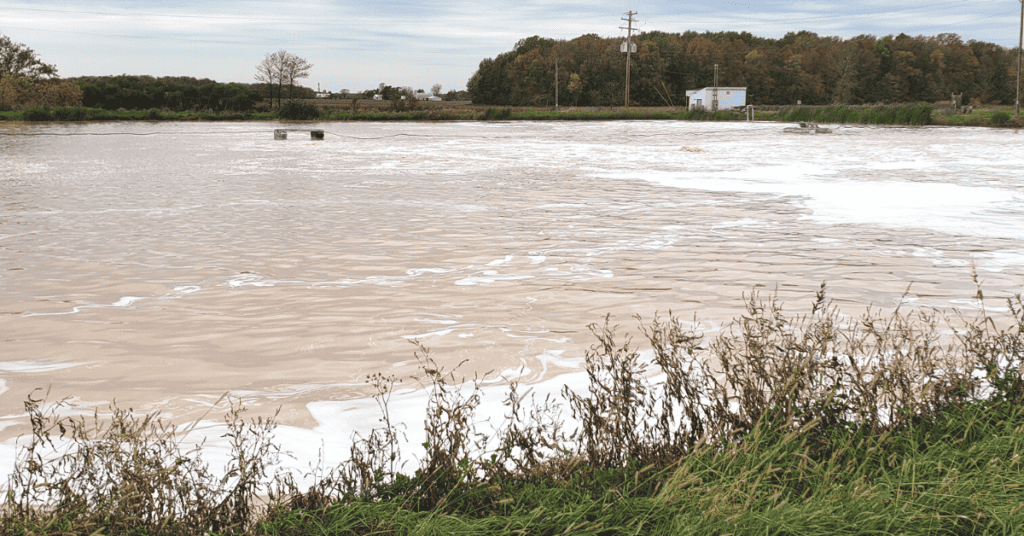
It’s been a tough few years for the pulp and paper (P&P) industry. With an increase in foreign competition and a lowered demand for paper, many facilities have had to tighten their belt. One of the most probable victims of these cuts are the wastewater treatment systems. Wastewater needs to be cleaned while sludge continues to build up. What was once full capacity-lagoons ready to handle a lot of wastewater are now full of sludge. With limitations on a budget, land to build more lagoons and time allotted for dredging, the sludge and holding capacity concerns have fallen to the wayside to be dealt with another time. Maybe that time is now. Those full lagoons are rearing their ugly heads and maybe you’re realizing that you shouldn’t have ignored that sludge after all. You have no time to build an extra lagoon or dredging may not be a quick enough or a financially viable option. Enter a third possibility: Bioaugmentation. With the help of hardy Bacillus bacteria, you can treat the incoming sludge as you go, while also reducing your current sludge blanket. With bioaugmentation, you can experience results over time and restore treatment capacity. This buys you time and improves water treatment simultaneously. Pulp […]

The Benefits of Liquid Dosing
Many wastewater distributors are faced with finding an efficient product to combat common challenges such as sludge, fats, oils, and grease, and odors. Bacillus-based products have been proven highly effective and reliable to reduce, eliminate, and alleviate these challenges in the wastewater market. Did You Know These Products Come in Liquid Form? MDG formulates liquid products that include Bacillus strains scientifically selected for their ability to degrade a broad range of organic material and reduce odors like volatile fatty acids and hydrogen sulfide. These systems include lagoons, sludge tanks, aeration basins, grease interceptors, collection systems/sewers, small wastewater treatment plants, and septic systems. Benefits of Liquid Dosing Liquid dosing can help keep systems in check while controlling a wastewater system regularly and with less manpower. Additionally, liquid dosing: Is compatible with any size pump to dispense specific volumes. Can be released at predetermined times allowing frequent dosing (automation). Improves treatment effectiveness by standardizing treatment. Reduces manual labor. How We Can Help Biotifx® Liquid Max is our highest strength and ready-to-use liquid dosing product containing 3X the number of bacteria and micronutrients as the average competitive liquid product. This liquid product is one of the most powerful and impactful products on the market. Biotifx® Liquid Max […]
Fats, Oils and Grease in Commercial Kitchens
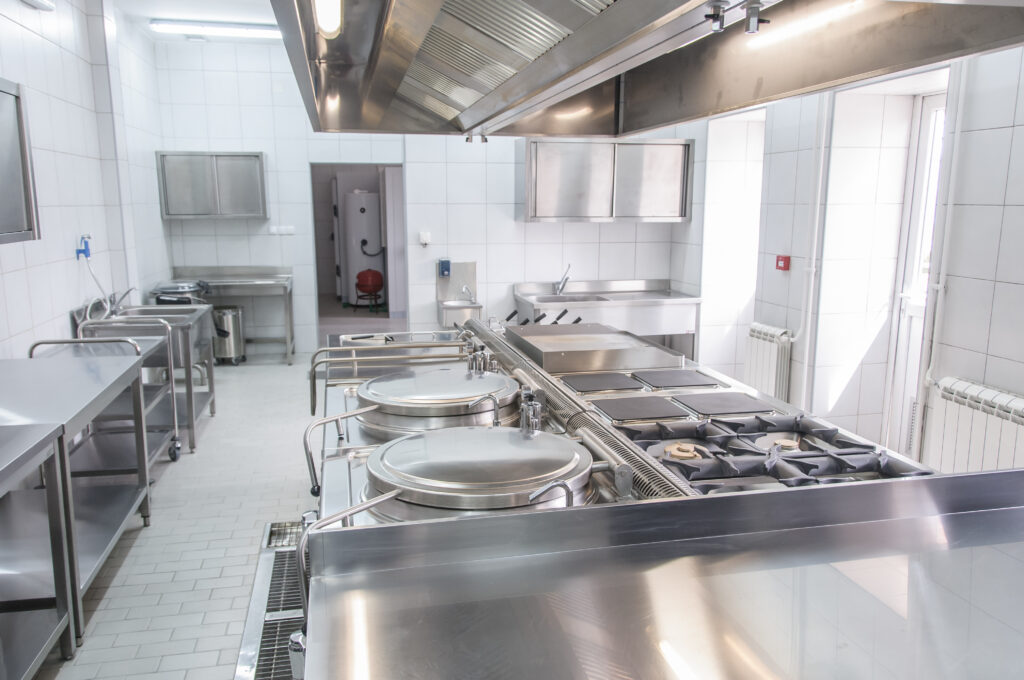
Save Your Customers’ Business with Bioaugmentation The food service industry inevitably has problems with fats, oils, and grease (FOG), and being proactive vs. reactive can be the difference between a thriving business and no business at all. It is essential to provide your customers with an effective and reliable FOG solution. This will help to prevent health code violations, drain backups, emergency pump-outs, unnecessary downtime, and ultimately poor customer satisfaction. Clogged Drains, Closed Doors Pumping out FOG from drains or pipes can cause your food service customers to close their doors for 2-5 days. This means a significant loss in income for their business. Flies Shoo Away Business Clogged drains may attract flies to a business, but it doesn’t attract customers. The conditions within a clogged drain meet all the requirements for pesky flies. Once making their way to the problem area, flies can transport unwanted bacteria to other areas of the kitchen. Little Trust Leads to Few Customers Customers notice when businesses unexpectedly close their doors. They can also both see and smell big cleaning trucks pumping out FOG in the back parking lot during the middle of lunch hour. Public information on FOG build-up, foul odors, grease spills, or […]
News
MDG: The Podcast

