

Keep Up to Date with MDG
MDG News and Updates
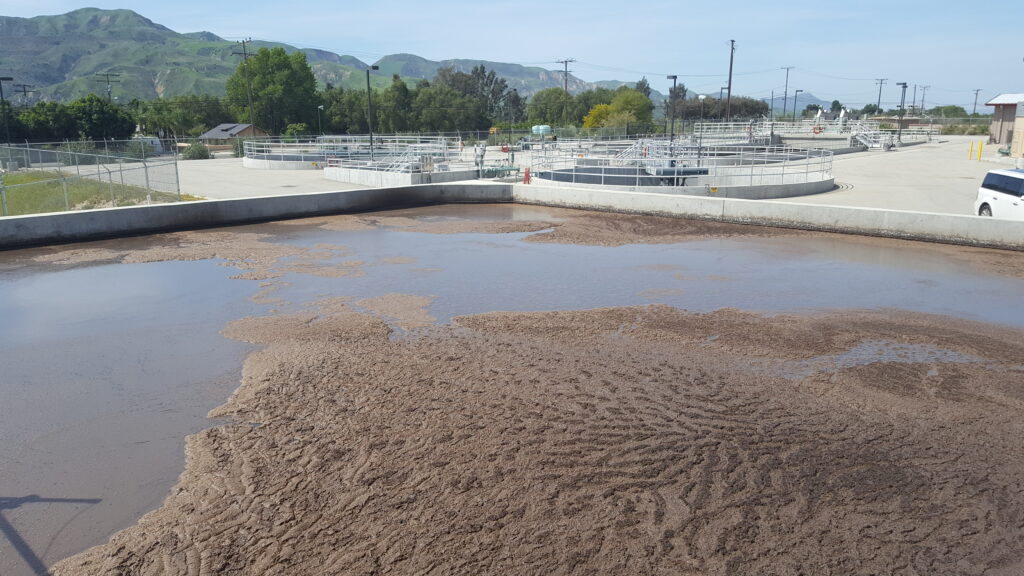
Sludge Tanks 101: Treating the Waste
Throughout the wastewater treatment process, certain components are left over that get separated from the treated water. This collection of leftovers is called sludge, which is then further treated in tanks. At Microbial Discovery Group (MDG), we have explored the process of treating sludge in sludge tanks and have designed our Biotifx® products and programs to assist with this treatment and ongoing system maintenance. SLUDGE TANK BASICS Sludge is a mixture of liquid and solid materials that have been removed from the treatment system. Essentially, it is the waste of the wastewater treatment process. Sludge is comprised of both organic and inorganic matter. After leaving the clarifier, sludge is transferred to designated tanks, which are accordingly called sludge tanks. These tanks can also be referred to as sludge thickeners, ponds, decanters, or digesters (not to be confused with aerobic digesters). After the sludge finally leaves the tank, it is dewatered through a sludge press and hauled away. Sludge tanks are utilized because they allow water treatment facilities to remove and store larger masses of liquid and solid waste, so they can continue treating wastewater in a more efficient manner. The main objectives of sludge tanks are to: Increase digestion. By […]
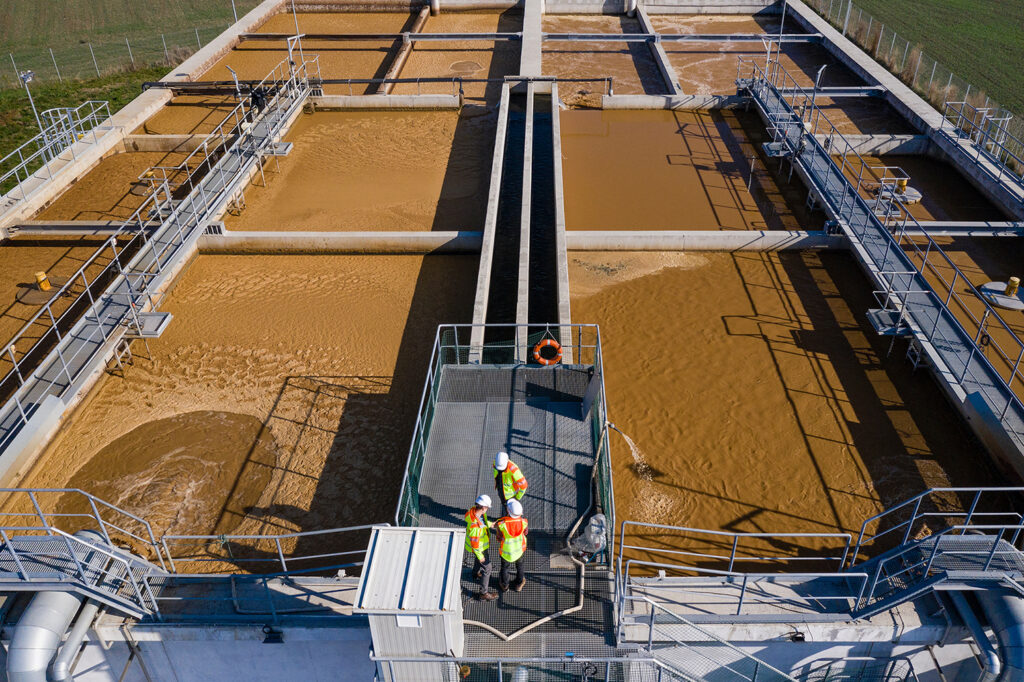
In-Field and In-House Expertise in Wastewater Treatment
When your wastewater customers are facing challenges, you want a partner with proven success and extensive expertise in wastewater treatment. At Microbial Discovery Group, we can be that partner. MDG stands as a leading expert in bioaugmentation, holding in-field and in-house expertise in tackling the challenges of wastewater systems. With a strong foundation in microbial science and a track record of proven success, our microbiologists, technical support staff, and account managers provide innovative, sustainable solutions and programs that enhance wastewater treatment processes and offer long-term benefits. MDG’s In-Field Bioaugmentation Expertise We understand the issues that wastewater treatment facilities face because our technical support team is constantly in the field, identifying unique solutions for each customer. We take a hands-on approach with our training and educational programs, and we prioritize your ability to work with real people to help you solve problems. This allows us to adapt to changing conditions in the field and set you on the path to success. MDG’s In-House Bioaugmentation Expertise Our in-field success is also driven by extensive research and development taking place at our four in-house labs. At MDG, we are dedicated to delivering effective, innovative, and sustainable microbial solutions to mitigate your wastewater customers’ […]
MDG Exhibits at the IWA World Water Congress & Exhibition 2024
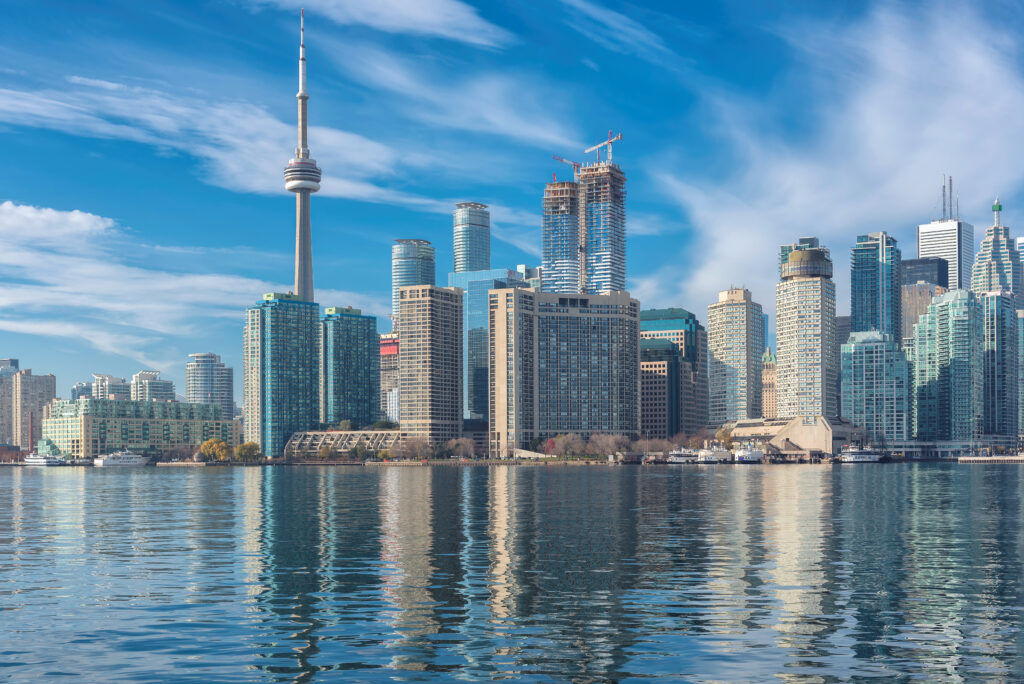
Every year, we participate in trade shows and exhibitions around the globe, showcasing our innovative microbial solutions in the wastewater industry. This year, we will be attending the International Water Association (IWA) World Water Congress & Exhibition from August 11–15 in Toronto, Canada. This event offers MDG a platform to present our Bacillus strains, which are on the Canadian Domestic Substance List (DSL), highlighting the compliance and suitability for use in Canadian water management and environmental applications. About the IWA World Water Congress & Exhibition The IWA World Water Congress & Exhibition is a premier global event focused on water management and sustainability. The event gathers experts, decision-makers, and innovators to discuss solutions for water-related challenges. Our Role MDG partners with distributors and manufacturers in the wastewater treatment market to help them increase their sales and take their businesses to new heights with our unique Biotifx® platform. Focusing on bioaugmentation treatment, we offer our partners the education, tools, and hands-on support they need to succeed across applications. Find MDG at Booth #736—if you see us, stop by and say hi! While attending the event, we’re looking to connect with industry leaders, explore new collaborations, and promote our sustainable microbial solutions […]
What is bioaugmentation?
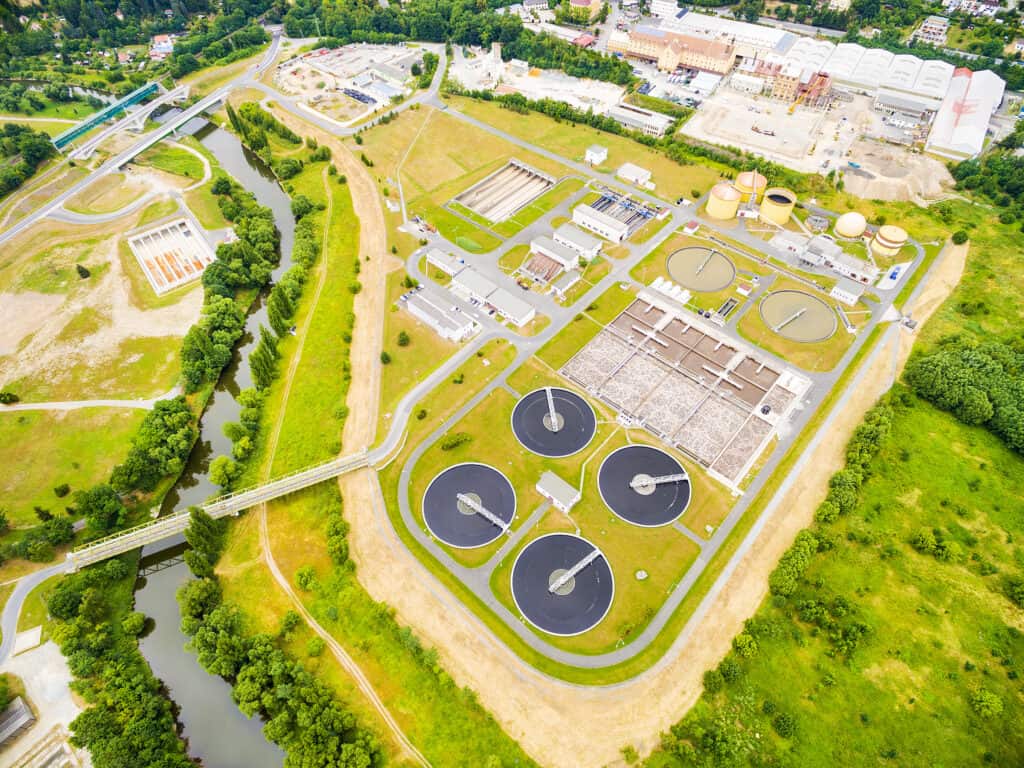
At MDG, we continue to discover all the possibilities to treat wastewater with Bacillus. Through years of research and development, we’ve found that bioaugmentation is the answer for wastewater treatment. Bioaugmentation is the process of adding scientifically selected organisms to a microbial community to enhance that community. The term bioaugmentation is often used to describe biological processes in wastewater treatment when using Bacillus products. We work directly with distributors in the wastewater treatment market to deliver ready-to-use solutions on a global scale. Why are bioaugmentation products used? Not every species and strain of bacteria are good at everything. Bioaugmentation products are used when you want to improve an aspect of an environment biologically (i.e., eliminate foul odors, digest wastewater sludge, etc.). While the existing community of bacteria are good at certain things, when we introduce specific strains that are better than others, we can make the entire population more efficient. For example, in wastewater treatment, while the existing community may be good at breaking down specific substrates, the addition of Bacillus increases the ability to break down compounds with enzymes. This process allows the whole community to digest more efficiently. Bacillus has been shown to significantly reduce fats, oils, grease (FOG), sludge, odors, carbon oxygen […]
Kickstart Spring Wastewater Treatment with Bioaugmentation
Spring is a time of revitalization, especially for the microbial communities in wastewater systems. Microbial activity increases as temperatures rise, and the transformation of these communities as they adapt to the temperature change can cause various issues for system operators. Getting ahead of these challenges doesn’t have to be difficult, though. With MDG’s expertise in Bacillus-based bioaugmentation treatment, you can successfully deliver powerful, cost-effective solutions to your customers. Discover why springtime can exacerbate some common wastewater problems, and find out how MDG’s Biotifx® bioaugmentation products can help. Sludge and FOG: The Visible Challenges Fats, oils, and grease (FOG) and sludge tend to accumulate and cause system backups if not removed. Before the real heat of summer sets in, it’s a good idea to take advantage of spring’s transitional weather and find locations where FOG and sludge buildup might be an issue. Helping your customers identify and treat those areas can set them up for success in the months ahead. Plus, when you become one of our distribution partners, you’ll have access to application-specific guides that make it easy to understand where and how to treat. H2S and Odors: The Invisible Challenges Climbing temperatures can have an unwanted effect on the […]
Toilet Paper Hoarding: A Source of Sewer Backups
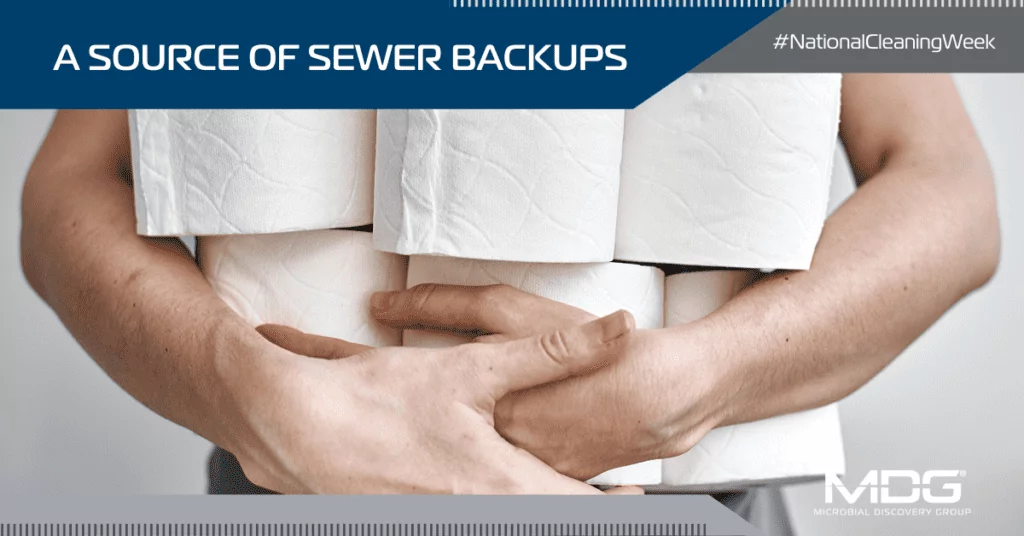
Many people have been stocking up on toilet paper over the past few weeks. If you haven’t visited the toilet paper aisle in a while, you may be making tough decisions. Most grocery store TP shelves quickly started to collect dust. A lack of toilet paper means that many will turn to alternatives, causing issues for homeowners and municipalities if steps aren’t taken. No toilet paper means Kleenex, wipes, paper towels, shop towels, rags, and newspapers will make their way into the sewer systems. Many of you are already aware of the problems wipes are causing for municipalities. Additionally, homes with septic tanks will cause great problems if they are flushing paper towels and newspaper to their systems. The materials within these TP alternatives are hard to digest. When a sewer system can’t handle the load, it backs up into your own house or apartment. The backup may be caused from your house or your neighbors but regardless of who started the problem, it can quickly turn into a neighborhood disaster. With backups comes the stink, the E. coli, and the viruses. Viruses are always a concern but with the subject heightened around COVID-19, MDG wants to caution everyone to rethink […]

Biotifx® in Action: Lagoons and Ponds
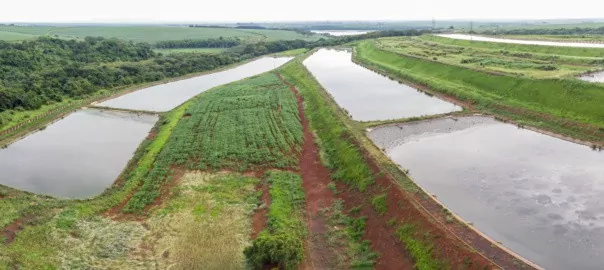
When it comes to treating wastewater lagoons and ponds, our partners follow our full-service treatment approach that combines premier bioaugmentation products, step-by-step treatment programs, and in-field support. This unique combination creates a complete solution that brings real success to their customers – just like this real lagoon treatment story! BACKGROUND One of our distribution partners (DPs) was working with a beverage manufacturer who was utilizing evaporative wastewater holding ponds. Once a pond was filled, they allowed it to dry completely before excavating solids and refilling. A typical cycle included one month to fill the pond, followed by three months of drying. THE CHALLENGE: SLUDGE + ODOR Over some time, an issue arose when a persistent sludge cap formed on the surface of the water. This cap started preventing water from evaporating within their normal three-month cycle and it caused the pond to become anaerobic, releasing strong, unpleasant odors. THE SOLUTION: BIOTIFX® PRODUCTS + PROGRAMS By working with our technical service team and following the step-by-step Lagoon Treatment Program, our DP was able to determine WHERE, WHEN, and HOW MUCH of Biotifx® ULTRA was needed for treatment. Data was collected before, during, and after and included pictures of the sludge cap, basic water […]

Solving Wastewater Treatment Puzzles
No matter the application, treating wastewater is often like solving an intricate puzzle. Getting all the pieces to fit together takes the right combination of knowledge, experience, and having cold, hard data by your side. To keep it simple, we’ve outlined THREE ways our technical support team can help you (and your customers) succeed in your next wastewater treatment application: Is this the Right Opportunity? Don’t waste your time! Make sure you start by asking questions and taking system survey measurements based on the type of system you’re looking to treat. Once you have a clear picture of the environment, you’ll know if you have an opportunity that’s a good fit. Our technical support team at MDG makes it easy to gather these measurements upfront with industry-specific programs. We make sure you’ll know the right questions to ask in different scenarios, so beyond gathering technical data, you’re looking at the monetary values around how a facility is currently operating (i.e.: chemical usage, hauling costs, physical removal, etc.). All of this information will help you demonstrate the full financial impact of bringing in bioaugmentation. Creating a Successful Treatment Plan Once you’ve found an opportunity where bioaugmentation can be the hero, you’ll need to […]
Case Studies: Seeing is Believing
We’ve heard it time and time again, “Does this stuff really work”? This sparked an idea. Why don’t we help our partners eliminate any doubt upfront by sharing in-field results? Better yet, let’s demonstrate how easy it can be for them to create their own. After all, seeing is believing! Through years of successful treatment and having now created 40+ case studies, our distribution partners have proven that these studies are the best tool for creating new believers in bioaugmentation. Because of this, we focus a big part of our training around taking key measurements in the field so that the creation of these case studies is possible. Our team of experts are hands-on in and the field with our partners, demonstrating when and how to properly gather data. As a result, partners can quickly and easily create case studies of their very own. Here are just some of the many benefits we’ve seen from building in a results-driven approach with our partners: Working hands-on in the field accelerates learning for our new distribution partners. Seeing is believing! Case studies validate that bioaugmentation products truly work. Having proof of this creates a strong marketing tool for future business. When our partners demonstrate measurable success […]
Lift Stations 101: Work Smarter, Not Harder
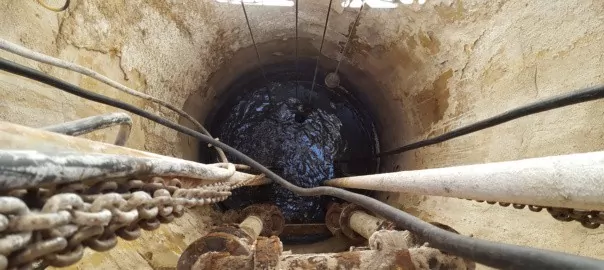
Lift stations are commonly used as a part of operations across a variety of different industries. While they are extremely useful, they can be difficult to maintain when not cared for properly. At Microbial Discovery Group (MDG), we have spent countless hours in the field with our partners, reviewing their customer’s maintenance challenges, and looking for new ways to innovate. As a result, we were inspired to create a comprehensive approach to lift station treatment that can garner results quickly. LIFT STATION BASICS By design, lift stations are used to pump liquid, typically some form of wastewater or sewage, from a lower elevation to a higher elevation. This process begins when sewage is fed into the station and into an underground well. The well is furnished with several different float switches to detect the volume of sewage present. When the sewage level rises to a predetermined point, the pump begins to propel the sewage upward through a pipe system until it exits the station. From there, the sewage could be arriving to a wastewater treatment plant or to flow downward with gravity until it arrives at the next lift station. In some cases, the pump transports the sewage through a […]
News
MDG: The Podcast

