

Keep Up to Date with MDG
MDG News and Updates

Biotifx® in Action: Lagoons and Ponds
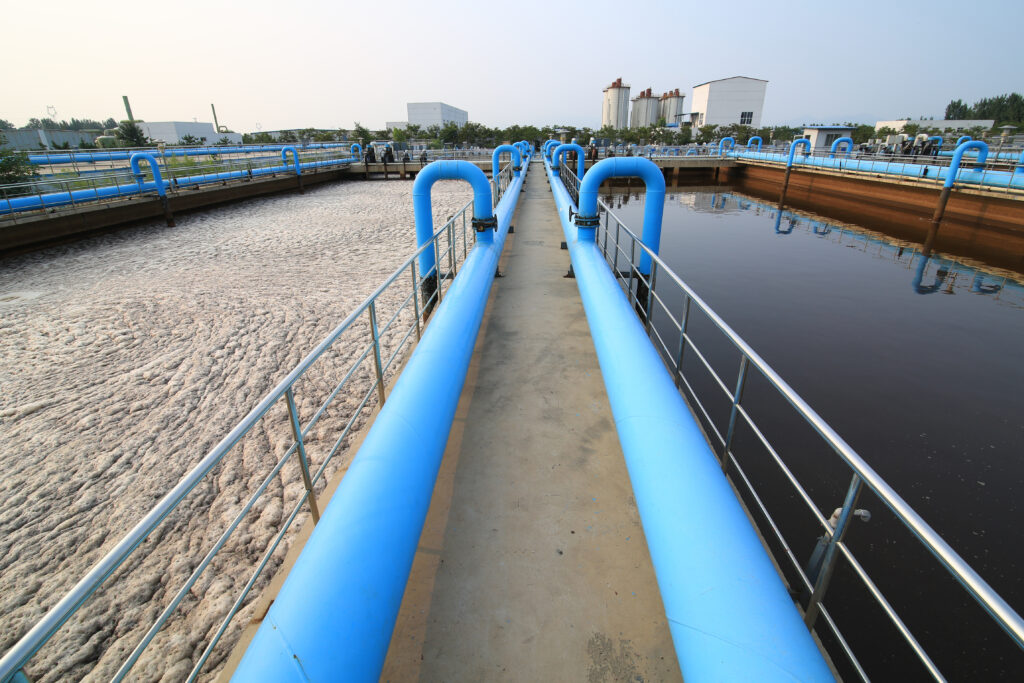
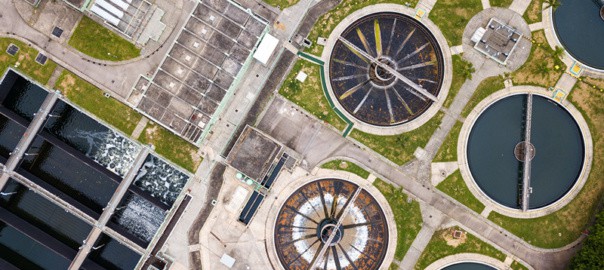
When it comes to treating wastewater lagoons and ponds, our partners follow our full-service treatment approach that combines premier bioaugmentation products, step-by-step treatment programs, and in-field support. This unique combination creates a complete solution that brings real success to their customers – just like this real lagoon treatment story! BACKGROUND One of our distribution partners (DPs) was working with a beverage manufacturer who was utilizing evaporative wastewater holding ponds. Once a pond was filled, they allowed it to dry completely before excavating solids and refilling. A typical cycle included one month to fill the pond, followed by three months of drying. THE CHALLENGE: SLUDGE + ODOR Over some time, an issue arose when a persistent sludge cap formed on the surface of the water. This cap started preventing water from evaporating within their normal three-month cycle and it caused the pond to become anaerobic, releasing strong, unpleasant odors. THE SOLUTION: BIOTIFX® PRODUCTS + PROGRAMS By working with our technical service team and following the step-by-step Lagoon Treatment Program, our DP was able to determine WHERE, WHEN, and HOW MUCH of Biotifx® ULTRA was needed for treatment. Data was collected before, during, and after and included pictures of the sludge cap, basic water […]

Solving Wastewater Treatment Puzzles
No matter the application, treating wastewater is often like solving an intricate puzzle. Getting all the pieces to fit together takes the right combination of knowledge, experience, and having cold, hard data by your side. To keep it simple, we’ve outlined THREE ways our technical support team can help you (and your customers) succeed in your next wastewater treatment application: Is this the Right Opportunity? Don’t waste your time! Make sure you start by asking questions and taking system survey measurements based on the type of system you’re looking to treat. Once you have a clear picture of the environment, you’ll know if you have an opportunity that’s a good fit. Our technical support team at MDG makes it easy to gather these measurements upfront with industry-specific programs. We make sure you’ll know the right questions to ask in different scenarios, so beyond gathering technical data, you’re looking at the monetary values around how a facility is currently operating (i.e.: chemical usage, hauling costs, physical removal, etc.). All of this information will help you demonstrate the full financial impact of bringing in bioaugmentation. Creating a Successful Treatment Plan Once you’ve found an opportunity where bioaugmentation can be the hero, you’ll need to […]
Case Studies: Seeing is Believing
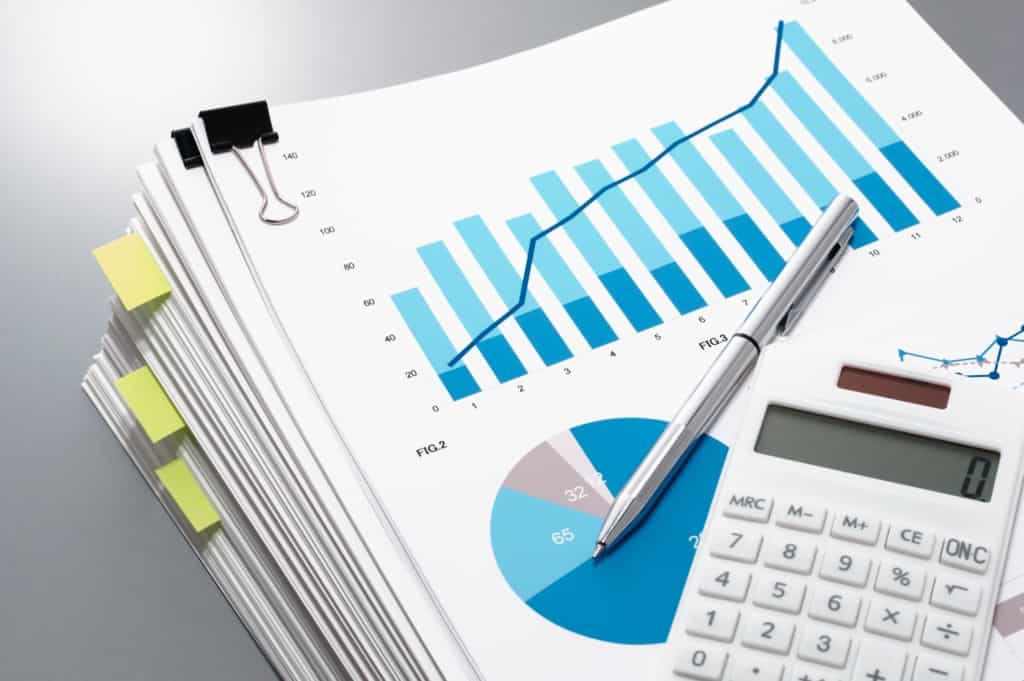
We’ve heard it time and time again, “Does this stuff really work”? This sparked an idea. Why don’t we help our partners eliminate any doubt upfront by sharing in-field results? Better yet, let’s demonstrate how easy it can be for them to create their own. After all, seeing is believing! Through years of successful treatment and having now created 40+ case studies, our distribution partners have proven that these studies are the best tool for creating new believers in bioaugmentation. Because of this, we focus a big part of our training around taking key measurements in the field so that the creation of these case studies is possible. Our team of experts are hands-on in and the field with our partners, demonstrating when and how to properly gather data. As a result, partners can quickly and easily create case studies of their very own. Here are just some of the many benefits we’ve seen from building in a results-driven approach with our partners: Working hands-on in the field accelerates learning for our new distribution partners. Seeing is believing! Case studies validate that bioaugmentation products truly work. Having proof of this creates a strong marketing tool for future business. When our partners demonstrate measurable success […]
Wastewater Treatment Mistakes You’ll Never Make Again
When selling microbial products and programs, you’ll inevitably encounter a customer that says, “I’ve tried something like that before and it didn’t work”. This kind of experience often links back to one of four common mistakes that were made prior to or during treatment. In this guide, we’ll go over these mistakes and how you as a distributor can avoid making them by choosing a microbial solution and partner that gives you the tools you need to make confident and accurate recommendations. PREVENTION: Biotifx® gives you opportunity-specific Application Guides that show you how to apply the product step-by-step. Additionally, Biotifx® gives you a System Survey Tool and Dosing Calculator that make it extremely easy to avoid incorrect application. PREVENTION: With the Biotifx® Survey Form and ROI Calculators, you can calculate an accurate value assessment for each of your customers. The program also comes with Proposal Templates that help you highlight obtainable results with real value to your customers. PREVENTION: Our Biotifix® Qualification Guide and step-by-step System Survey make it easy for you to find the right high-value opportunities for your customers. PREVENTION: Correctly measuring and documenting success is key to customer confidence. Biotifx® comes with […]
Are you over-preserving?
Many of us know what happens when you mistakenly under-preserve a biological product: the bottles start to bulge or suck-in (the latter can also be caused by fragrance issues), fungal growth starts to appear or it starts to have an unpleasant odor. But do you know what signs to look for if your product is over-preserved? There is usually one noticeable sign of an over-preserved product: the customers who were consistently using your product haven’t placed an order in a while. Understanding Preservatives The preservation system in your biological product is a double-edged sword. If you under-preserve, you get the problems mentioned above. But if you over-preserve, your product won’t work, or it will have a significant delayed reaction. This can lead some of your repeat customers to think that the product no longer works. Over-preservation occurs when too high of a concentration of preservatives is present in a product. The preservatives are meant to be diluted to a predetermined point as indicated by the number in front of the X on the label (i.e. a 10X product would be 1 part product, 9 parts water). Diluting to the proper point allows the product to activate and begin working. If over-preserved, the […]
Bacillus Resilience to Oxidizers
For many of us, our day-to-day lives have changed quite a bit since the start of the coronavirus pandemic. We learned how to work from home, physically distance, use Zoom, cook homemade meals and use lots and lots of sanitizers and disinfectants. With the increased usage of these powerful cleaning supplies and washing them down drains, wastewater facilities are challenged with keeping their system’s natural ecology in balance. In our first article of this series, we explored how this is not a new problem. Many wastewater ecosystems face daily attacks on their microflora due to routine industrial activities. The solution for resolving these toxic upsets? For a growing number of facilities, it’s bioaugmentation, a wastewater treatment that augments a system’s natural ecology to help combat disruptions from harsh chemicals. Four Reasons Why Bacillus are So Effective The primary ingredient in bioaugmentation products is a type of bacteria from the genus Bacillus. It’s very effective at restoring wastewater back to its original state after being contaminated with oxidizers like bleach, hydrogen peroxide and peracetic acid because of four main characteristics: Bacillus produce hardy spores. Like seeds of a plant, Bacillus spores are tough. They can survive in low to moderate levels of oxidizers and will endure if some of […]
Pandemic Recovery and Beyond
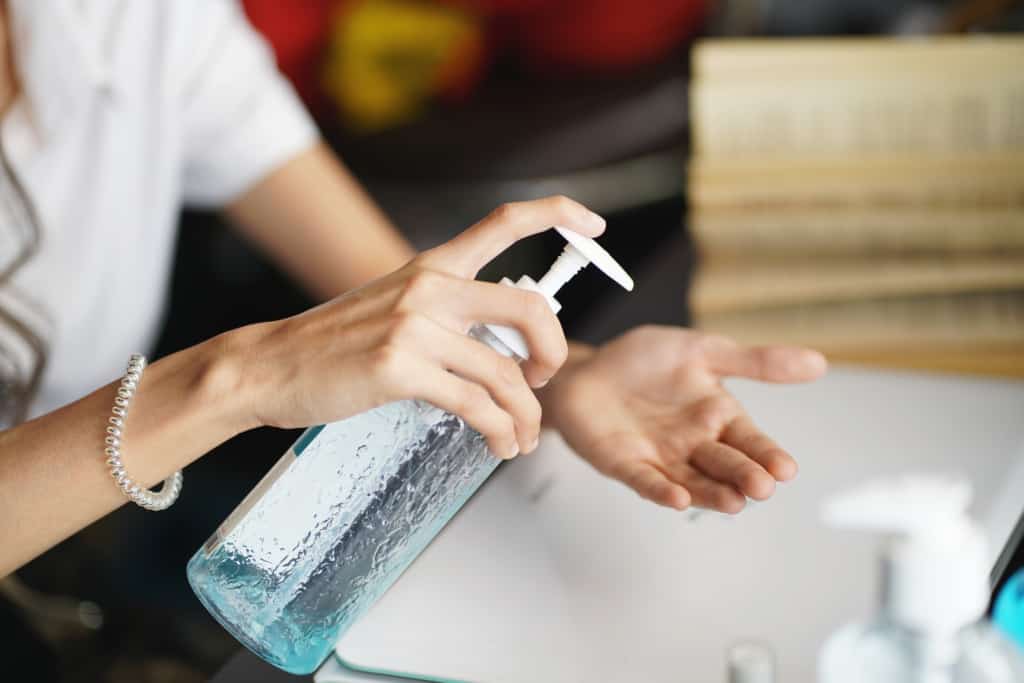
If you’ve tried to buy any hand sanitizer lately, you’ll know how difficult it is to find, let alone at a normal price! While the increased usage of sanitizers and disinfectants may be helping to protect us against the spread of germs, it has had a negative effect on the microflora balance in wastewater treatment lagoons. It’s also inspired some companies to market their bioaugmentation products as new solutions to this problem when the early users of bioaugmentation have been overcoming chemical upsets in wastewater and bioremediation for over 50 years. Wastewater facilities face daily attacks on their microflora balance, not just from the increased usage of personal sanitizers, but also from routine activities like: Chemical sanitizers/disinfectants being washed down drains from processing facilities Changes in organic loading due to temporary shutdowns or product changeovers Acceptance of large loads of septic waste High levels of rainfall Even lesser known is the fact that a facility recovering from an imbalance or “toxic upset” is more susceptible to additional upsets due to the delicate nature of the wastewater microflora. The use of bioaugmentation products not only resolves toxic upsets, but also makes wastewater systems more resilient. Over the next few weeks, we’ll […]
Bioaugmentation 101
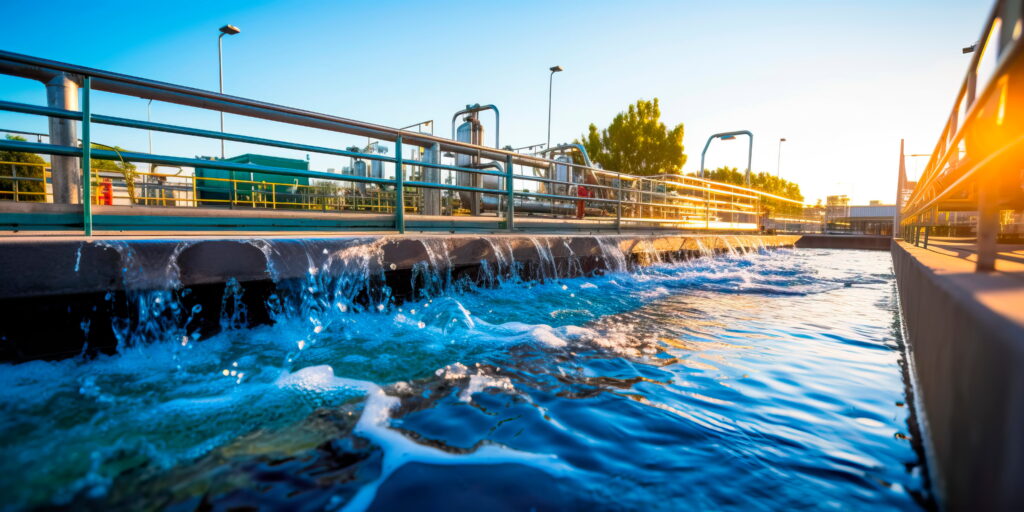
What is bioaugmentation? The word “bioaugmentation” can be broken down into two parts: -bio and -augmentation. Together, they describe the process of adding helpful, pre-selected bacterial strains that were isolated from a specific environment (biology) to enhance (augment) an existing microbial community. Why are bioaugmentation products used? Just like you and I, not every species and strain of bacteria are good at everything. We all have a unique set of talents and abilities. Bioaugmentation products are used when you want to improve an aspect of an environment biologically (i.e., eliminate foul bathroom odor, digest complex hydrocarbons in soil, reduce wastewater sludge). And while the existing community of bacteria are good at certain things, when we introduce specific strains that are better than others, we can make the entire population more efficient. For example, in wastewater treatment, while the existing community may be good at breaking down specific substrates, the addition of Bacillus has been shown to significantly reduce fats, oils, and grease (FOG), sludge, odors, COD/BOD, suspended solids, the chance for system upsets, and more. How do the bacteria within bioaugmentation products work with the existing microbial community? It is vital to note that rather than taking over the system, […]

The Dangers of Hydrogen Sulfide Exposure
Wastewater and collection systems with anaerobic areas, FOG, or sludge build-up provide the perfect environment for hazardous Hydrogen sulfide (H2S) production. Because of this, it’s not uncommon for concentrations to climb above 1000 ppm! To understand the risks, check out the chart below to better understand the dangers associated at every level. ** Click to Enlarge What should you do if you’re dealing with H2S? Enter a safe, effective solution: bioaugmentation! Hydrogen sulfide (H2S) gas is a by-product of sulfur-reducing bacteria (SRB), using sulfur compounds in the absence of oxygen (anaerobic environments). By disrupting growth conditions for SRBs, Bacillus bacteria are able to reduce the production of H2S without the need for harsh chemicals. Connect with our team and we can get ahead of this dangerous and destructive problem together.

Wastewater Lagoons: Digging Yourself Out of Your Current Hole
One of the biggest advantages to using bioaugmentation for lagoon wastewater treatment is that it can buy you time before your lagoon will need to be dredged. The specialized bacteria get to work on built-up sludge and can increase your capacity for a fraction of the price. However, I once spoke to a wastewater treatment professional that said, “if we need more lagoon space, we don’t dredge; we just dig another hole.” I knew dredging and hauling could be extremely expensive, but I wasn’t sure what digging another “hole” or lagoon would cost. I’m no civil engineer, but I did some surface level digging and found some bid proposals online that suggest the contractor portion alone can range between $5-10M! While I’m sure there is an array of costs involved with this process, I see three main pieces that make constructing a new lagoon harder than it sounds. The cost of: Land Engineering Firm Expertise Time The Price of Land One of the proposals I found from North Dakota indicated that the land at the time was $8000 per acre, with a requirement of 40 acres. That math comes out to $320,000 just in land! Not to mention that the […]
News
MDG: The Podcast

