

Keep Up to Date with MDG
MDG News and Updates
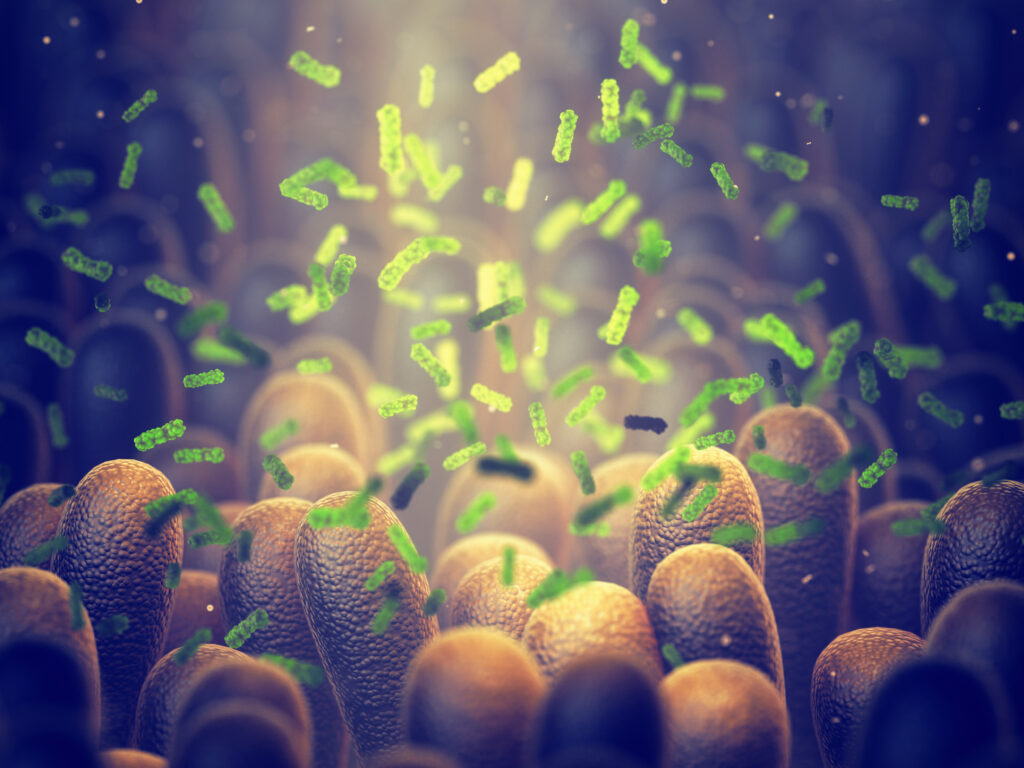
Human Health 101: How the Gut Microbiome Affects Circadian Rhythms
At a Glance: Circadian rhythms are internal biological clocks that regulate various body processes, such as sleeping and waking. While external factors influence these cycles, internal factors within the gut microbiome also have a significant impact. By understanding this relationship, probiotic producers can formulate products that support the gut microbiome’s connection to the circadian system, potentially leading to positive health outcomes. As the human health field expands, experts are discovering previously unexplored connections between various body functions and the gut microbiome, one of which is its relationship with the circadian system. These rhythms are typically understood to be driven by external factors, such as light and food. However, research shows that the gut microbiome can have a much more significant effect on these rhythms than previously believed. Here’s what you need to know. What are circadian rhythms? Circadian rhythms are driven by the circadian system, an array of internal biological clocks that regulate various body processes, such as the sleep:wake cycle.1 These rhythms can be triggered by both external and internal stimuli. Common external influences include light levels, food intake, and even temperature changes.1 However, internal factors drive circadian rhythmicity as well. Clock-controlled genes, or CCGs, are a great example. […]

The Changing Landscape of the Human Health Market in 2025
If you’re a probiotic supplier or manufacturer in the United States, you may be feeling uncertain about the state of the human health market. Unpredictable tariff adjustments and shifting regulatory guidelines on topics like self-affirmed GRAS status are just a couple of the challenges affecting U.S.-based probiotic companies today. While conditions are always subject to change, it’s useful to have a baseline awareness of current market happenings so you’re prepared to navigate the road ahead—here’s what you need to know. Potential Elimination of Self-Affirmed GRAS Status If you’re not already familiar, there are currently two pathways to GRAS (generally recognized as safe) status for probiotic ingredients: self-affirmation and FDA review. If a company’s ingredients have self-affirmed GRAS status, the ingredients have been reviewed by internal experts, but the FDA has not been notified of their use in food, beverage, or probiotic/supplement products. An FDA-reviewed GRAS affirmation, on the other hand, occurs if the FDA is alerted via a GRAS notice and subsequently approves the ingredient.1 In early March 2025, the Department of Health and Human Services (HHS) released a statement sharing Secretary Robert F. Kennedy Jr.’s directive for the organization to “enhance the FDA’s oversight of ingredients considered to be […]

Inflammaging: How Probiotics Can Help
Healthy aging is an essential element of wellness for many consumers—in fact, in a NutraIngredients survey, 50% of people ranked healthy aging as an important goal. Unfortunately, there are a multitude of factors that may impede the healthy aging process. Recent research has shown there is a link between aging and inflammation, which some are calling “inflammaging”. Inflammaging refers to the low-grade inflammation that naturally occurs throughout the body as we get older, often due to changes in the gut microbiome. However, supplementation of anti-inflammatory probiotics could be a way to help ease the effects of inflammaging. Here’s what you need to know.1 The Connection Between Aging and the Gut Microbiome The human gut microbiome is complex, comprised of thousands of bacterial species. This diversity is key to keeping it healthy. However, as we age, gut microbiome diversity tends to diminish, particularly the populations of beneficial organisms that help maintain gut health. A decreasing population of good gut bacteria could lead to higher susceptibility to issues like leaky gut; this, in turn, could increase the low-grade inflammation that is a hallmark of inflammaging.2,3 Because of the relationship between aging and inflammation, the two create a negative cycle. Age-related decline of […]

The Interplay Between Leaky Gut, Inflammation, and Probiotic Solutions
Leaky gut is an issue often caused by inflammation of intestinal tissue cells. Sometimes, complications from this problem, commonly referred to as leaky gut syndrome, can lead to even more inflammation throughout the body, creating a negative cycle and potentially leading to a host of adverse health outcomes. In order to address these issues and improve your customers’ overall health, it’s essential to understand the link between inflammation and leaky gut. Luckily, probiotics with anti-inflammatory properties could offer a great solution—here’s how. What is leaky gut? Leaky gut refers to increased permeability of the intestinal lining. This lining is comprised of intestinal tissue cells and acts as a barrier between the gut and the rest of the body, allowing nutrients and other beneficial material to pass into the bloodstream while preventing the escape of undesirable bacteria, food particles, and toxins. However, if these cells become inflamed, intestinal permeability increases, reducing the lining’s ability to prevent potentially harmful substances from entering the bloodstream. As these substances leak out, they trigger a greater immune response, leading to increased, sustained inflammation.1,2 How are leaky gut and inflammation connected? These two issues are closely tied: Leaky gut is caused by intestinal inflammation, and the […]

Probiotic Market Trends and Challenges You Need to Know in 2025
The global probiotics market is anticipated to grow at an annual rate of 14% through 2030,1 which is exciting news for both new and established suppliers and manufacturers of probiotics. However, it’s hard to leverage this popularity without knowing about the individual pieces behind the market’s growth. At MDG, we’re here to guide and support you on your way to success in the human health space, and that starts with understanding the major trends in probiotics and the challenges you may face. Trend: Increasing Consumer Demand Consumers are becoming more interested in health-conscious and environmentally friendly living, and probiotic sales have risen as a result of this broad shift.2 When consumers purchase probiotics to support their lifestyles, they’re most interested in maintaining and promoting gut health,3 but according to recent reports, immune system support and general health/wellness promotion aren’t far behind.1 Many people also associate probiotics with sleep improvement and inflammation reduction, prompting them to seek out products that support those health outcomes.3 Trend: Spore-Formers Outside of consumer trends, spore-forming bacteria like Bacillus have started to make a bigger splash in recent probiotic formulations. Unlike their vegetative bacteria counterparts, spore-formers are resilient enough to withstand the volatile stomach and gut […]

Why Bacillus? A Closer Look at this Powerful Probiotic Ingredient
Lactobacillus and Bifidobacterium are two genera of vegetative bacteria whose historic success in probiotic applications has made them a common ingredient in many final products. However, Bacillus, a spore-forming bacteria, is becoming increasingly more popular due to its stability in diverse applications and the new range of functionalities it offers. Exciting discoveries about Bacillus have opened a fast-growing area of the human health marketplace. Discover what makes this microorganism so powerful and how MDG can help you use Bacillus to achieve success. What are the benefits of using Bacillus in probiotics? Many of Bacillus’s advantages in probiotic products stem from its spore-forming nature. Forming spores allows Bacillus bacteria to maintain their efficacy and survive extreme environmental conditions that vegetative bacteria like Lactobacillus and Bifidobacterium may not be able to tolerate. This hardiness leads to a number of benefits, including: Greater stability: Because of its ability to form spores, Bacillus is highly stable, unlike Lactobacillus or Bifidobacterium. These two alternative, vegetative bacteria are non-spore-forming, so they typically need to go through an encapsulation process to reach the same level of stability, which can be expensive for probiotic manufacturers. Longer shelf life: With the stability of Bacillus, you can sell your product […]
News
MDG: The Podcast

